- Home
- Machine
- Media
- Application
- Service
- About Us
- Blogs
- Contact Us
- All
- Product Name
- Product Keyword
- Product Model
- Product Summary
- Product Description
- Multi Field Search


Views: 0 Author: Site Editor Publish Time: 2026-03-27 Origin: Site
Can silver jewelry stay shiny forever? Sadly, silver often tarnishes over time. Many workshops now use a Jewellery Polishing Machine. But can a Jewellery Polishing Machine polish silver well? In this article, we explore how it works. You will learn its benefits and best uses.
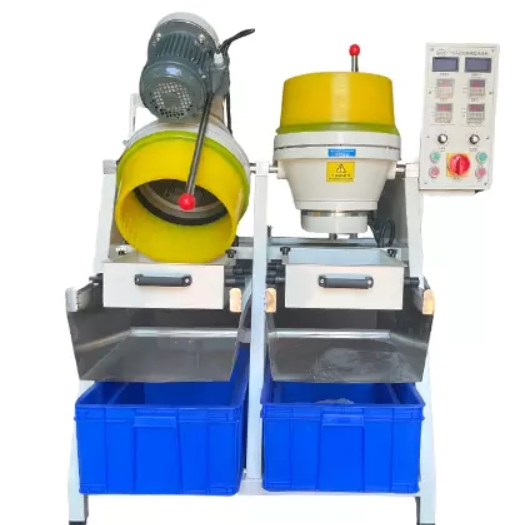
Silver is one of the most widely used precious metals in the jewelry industry because it offers both affordability and visual elegance. Sterling silver, often referred to as 925 silver, contains 92.5% pure silver and 7.5% copper, which improves strength and durability. However, the copper content also increases the likelihood of oxidation. When silver jewelry is exposed to sulfur compounds in the air, chemical reactions form a thin layer of silver sulfide on the surface. This process causes tarnishing, which gradually darkens the jewelry and reduces its brightness.
Regular polishing removes this oxidized layer and restores the original reflective surface of the metal. Without polishing, silver jewelry can appear dull and unattractive, which negatively affects product presentation and customer perception. In professional jewelry workshops and manufacturing environments, polishing is therefore considered an essential finishing step before products are delivered to customers or retailers.
A Jewellery Polishing Machine allows manufacturers to perform this polishing process efficiently while maintaining uniform quality across multiple pieces. Instead of polishing each item manually, operators can process batches of jewelry using automated polishing systems that ensure consistent pressure and even abrasion across all surfaces.
A Jewellery Polishing Machine works by using high-speed rotation and abrasive polishing media to smooth the metal surface. In many advanced machines, the polishing process is based on the eddy current flow principle. This technology creates dynamic movement inside the polishing chamber, allowing polishing media to flow continuously around the jewelry pieces while applying controlled friction.
During the polishing process, abrasive particles gently remove the oxidized surface layer and eliminate micro-scratches caused by manufacturing or previous wear. As the polishing cycle continues, the friction between the polishing media and the metal surface gradually refines the surface texture. This controlled abrasion produces a smooth, reflective finish that enhances the appearance of the jewelry.
One advantage of this technology is that it supports both wet grinding and dry grinding processes. Wet polishing uses liquid solutions to reduce friction and prevent overheating, while dry polishing relies on abrasive compounds to refine the metal surface. Because of this flexibility, jewellery polishing machines can handle various precious metals such as gold, silver, and stainless steel without damaging delicate structures.
Compared with manual polishing methods, machine polishing offers several operational advantages that are particularly valuable for jewelry manufacturers and finishing workshops.
Benefit | Description |
High efficiency | Machines polish multiple jewelry pieces simultaneously, reducing processing time |
Consistent surface finish | Automated polishing ensures uniform brightness and smoothness |
Reduced manual labor | Operators supervise the machine rather than polishing by hand |
Lower production cost | Improved efficiency reduces overall labor and processing expenses |
Because machine polishing delivers stable results, jewelry manufacturers can maintain consistent product quality across large production batches.
Manual polishing still plays a role in certain jewelry repair and customization tasks. However, when jewelry production reaches higher volumes, machine polishing becomes the more practical solution. Workshops that process large numbers of rings, bracelets, or pendants often rely on polishing machines to maintain consistent finishing quality.
Machine polishing is particularly beneficial when dealing with small or medium-sized jewelry components that require identical surface finishing. The polishing chamber distributes abrasive media evenly, ensuring that each piece receives the same polishing treatment. This is especially important in mass production environments where consistent surface brightness is required for brand reputation and product presentation.
Although machine polishing is highly efficient, improper operation can lead to potential issues. Excessive polishing pressure or overly aggressive abrasive compounds may remove too much material from delicate jewelry pieces. Fine details such as engraved patterns or thin filaments may become less defined if polishing cycles are too long.
To avoid these problems, operators must carefully select polishing compounds and adjust machine parameters based on the type of jewelry being processed. Correct polishing cycles ensure that tarnish and surface scratches are removed while preserving the structural integrity of the jewelry.
A Jewellery Polishing Machine can polish a wide variety of silver jewelry products. Common examples include rings, earrings, pendants, bracelets, necklaces, and decorative jewelry components used in assembly lines. The machine is particularly useful for polishing thin metal sheets or filament-style jewelry parts that might otherwise overlap or deform during manual polishing.
Because polishing media move freely around the jewelry pieces during the polishing cycle, the machine prevents embedding or overlapping issues that can occur when polishing by hand. This makes machine polishing suitable for batch processing small and medium-sized jewelry items in professional workshops.
A standard jewellery polishing machine contains several important mechanical components that work together to produce high-quality surface finishing. The electric motor generates rotational power that drives the polishing mechanism, while the polishing chamber holds both the jewelry pieces and the abrasive media. Adjustable control systems allow operators to regulate speed, polishing time, and polishing intensity according to the material being processed.
Dust extraction systems are also integrated into many machines to remove polishing residue and metal particles generated during the polishing process. This feature improves workplace cleanliness and protects operators from airborne polishing dust.
Polishing media are essential elements in the polishing process. These media may consist of stainless steel pins, ceramic particles, or specially designed polishing stones depending on the machine type. During operation, the polishing media move continuously around the jewelry pieces, applying gentle abrasion to the metal surface.
Polishing compounds further enhance the finishing effect. Tripoli compounds are commonly used for the initial polishing stage because they remove small scratches and surface imperfections. Rouge compounds are typically used for final polishing, producing a bright mirror-like finish on precious metals.
Professional jewelry polishing often follows several sequential stages. First, the jewelry surface is prepared by removing deep scratches using abrasive sanding tools. This preparation stage ensures that the polishing process focuses on refining the surface rather than correcting major defects.
Next, pre-polishing compounds remove fine surface irregularities and smooth the metal surface. Finally, fine polishing compounds produce a reflective mirror finish that enhances the overall appearance of the jewelry.
Different polishing machines are designed for specific production needs in the jewelry industry.
Bench polishing machines are commonly used in small jewelry workshops. They feature rotating polishing wheels that allow operators to polish individual jewelry pieces manually while maintaining good control over pressure and polishing angle.
Vibratory polishers use vibrating bowls filled with polishing media to polish multiple jewelry pieces simultaneously. These machines are ideal for batch processing small components such as rings and earrings.
Magnetic polishing machines use magnetic fields to move polishing pins around the jewelry surface. They are particularly effective for polishing intricate areas such as the inner surfaces of rings or detailed jewelry structures.
Eddy current polishing machines rely on high-speed rotational flow to create polishing force. This technology ensures uniform polishing action while minimizing the risk of deformation in delicate jewelry components.
Proper preparation significantly improves polishing results. Jewelry must first be cleaned thoroughly to remove oil, dust, and residue from previous manufacturing processes. Cleaning ensures that polishing compounds interact directly with the metal surface rather than contaminants.
Deep scratches should also be removed using sanding tools before the polishing cycle begins. If these scratches remain, polishing alone may not fully restore the surface finish.
Jewelry Type | Recommended Preparation |
Rings | Light sanding and degreasing |
Earrings | Ultrasonic cleaning before polishing |
Bracelets | Surface smoothing with fine abrasive paper |
Selecting the correct polishing media and compound further ensures optimal polishing performance.
Polishing operations generate fine particles from metal surfaces and polishing compounds. Dust extraction systems help maintain a clean working environment and prevent inhalation of polishing dust. Operators should also wear protective equipment such as safety glasses, gloves, and dust masks when working with polishing machines.
After polishing, jewelry pieces typically contain polishing compound residue. Ultrasonic cleaning systems are widely used to remove this residue and restore the final brilliance of the jewelry.
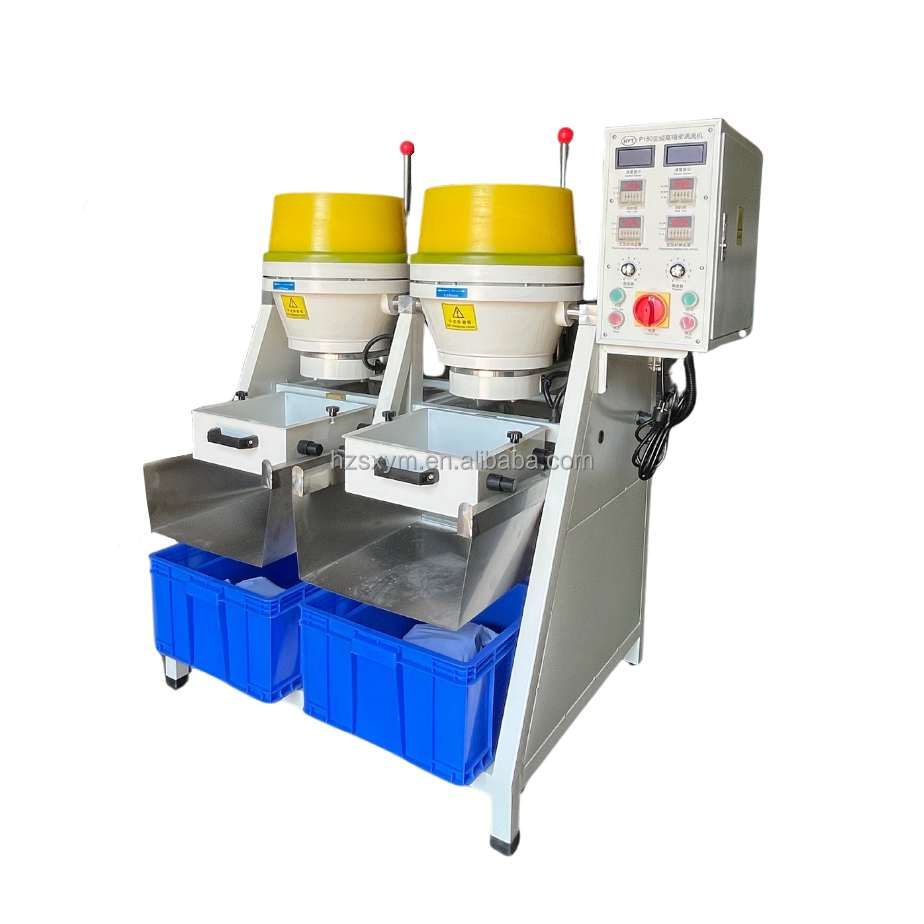
Using a Jewellery Polishing Machine offers several long-term benefits for jewelry manufacturers and finishing workshops. The machine produces consistent mirror finishes while reducing production time and labor costs. Automated polishing also improves product uniformity, which is essential for maintaining brand quality in competitive jewelry markets.
Because the polishing process can handle batches of jewelry simultaneously, manufacturers can increase output without sacrificing quality. This combination of efficiency, consistency, and cost savings makes jewellery polishing machines an essential tool in modern jewelry manufacturing.
A Jewellery Polishing Machine restores silver shine by removing tarnish and surface scratches. It delivers faster and more consistent results than traditional manual polishing methods.Advanced polishing technology improves efficiency and supports batch jewelry finishing. Huzhou Norden Machinery Factory provides reliable machines for stable polishing quality.
A: Yes. A Jewellery Polishing Machine removes tarnish and restores shine without damaging silver when correct polishing compounds and settings are used.
A: A Jewellery Polishing Machine can polish gold, stainless steel, and small metal components used in jewelry manufacturing.
A: A Jewellery Polishing Machine uses high-speed rotation and polishing media to polish multiple pieces evenly and faster than manual methods.
A: Yes. A Jewellery Polishing Machine helps small workshops polish batches of jewelry while improving consistency and reducing manual labor.
A: Check polishing media, compound type, and machine speed. Incorrect settings may reduce the performance of a Jewellery Polishing Machine.


