- Home
- Machine
- Media
- Application
- Service
- About Us
- Blogs
- Contact Us
- All
- Product Name
- Product Keyword
- Product Model
- Product Summary
- Product Description
- Multi Field Search


Views: 0 Author: Site Editor Publish Time: 2026-03-17 Origin: Site
Have you ever wondered how industries maintain the efficiency of their Linear Vibrating Screen Machines over time? Without proper maintenance, these machines can quickly lose their effectiveness.
In this article, we'll reveal the best practices for maintaining your vibrating screen, from daily inspections to troubleshooting common issues, ensuring optimal performance and a longer machine lifespan.
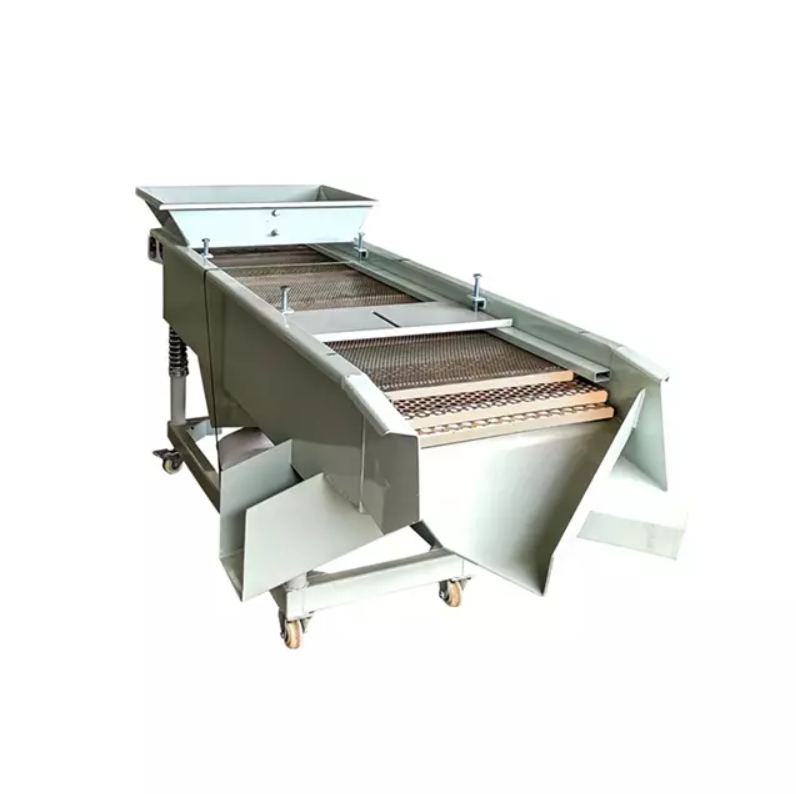
Neglecting maintenance on a Linear Vibrating Screen Machine can result in severe performance degradation over time. When the machine is not properly maintained, several problems can occur, such as material throughput reduction, inaccurate separation, and even machine failure. These issues can lead to production delays, higher costs for repairs, and potentially even safety risks. Additionally, poor maintenance can cause irregular vibration, resulting in inefficient separation and a failure to meet production targets. Regular maintenance minimizes these risks, ensuring that the machine runs optimally and efficiently, supporting consistent performance without unexpected failures.
Routine care plays a significant role in enhancing the durability of your Linear Vibrating Screen Machine. By adhering to a regular maintenance schedule, businesses can avoid premature wear and extend the machine's operational life. Machines that are regularly cleaned, lubricated, and inspected for wear are far more reliable and less prone to breakdowns. This not only improves machine longevity but also ensures that it can handle continuous operation without frequent interruptions.
A well-maintained linear vibrating screen can handle heavy-duty tasks more effectively, without the need for extensive repairs. The machine will continue to meet the demands of various production lines while providing reliable service over an extended period.
Proactive maintenance helps reduce unexpected downtime, which can severely disrupt production schedules. By performing routine inspections, lubrication, and adjustments, potential issues are addressed before they escalate into more significant, costly repairs. Unscheduled downtime can have ripple effects throughout the production process, leading to delays, higher operational costs, and even missed deadlines. Maintaining a regular maintenance routine is essential to ensure consistent machine operation and cost-effective long-term performance.
In addition to minimizing downtime, regular maintenance also helps lower the costs of maintaining the equipment. Timely part replacements and minor repairs are much less expensive than dealing with a major breakdown, which can involve more complex and costly procedures. Regularly servicing your Linear Vibrating Screen Machine thus results in fewer repairs, lower operational costs, and a more predictable budget for machine upkeep.
Maintaining a Linear Vibrating Screen Machine involves several critical tasks. These tasks ensure that all components are in good working condition, allowing the machine to run smoothly and efficiently.
Daily checks are the first line of defense in ensuring the machine operates optimally. Operators should follow a checklist that includes the following actions:
● Inspect the screen mesh: Check for any damage, tears, or clogging that could obstruct material flow and reduce screening accuracy.
● Check the motor operation: Ensure the motor is running smoothly and check for any unusual sounds or vibrations that could indicate problems.
● Tighten loose bolts: During operation, bolts can loosen due to the vibrations. Check all fasteners and tighten them as needed to avoid damage to the machine’s frame and components.
● Clean the machine: After every use, remove any debris or material build-up that might impact performance. Cleaning the screen mesh and surrounding components will prevent clogging and maintain screening efficiency.
In addition to daily checks, weekly maintenance ensures that more complex aspects of the machine are functioning well:
● Examine springs and vibration components: Check for wear and any signs of fatigue in the springs and vibration components that could affect the machine's ability to maintain consistent motion.
● Lubricate moving parts: Bearings, shafts, and other moving parts should be lubricated to minimize friction. Regular lubrication ensures smooth movement, reduces wear, and prevents overheating of the components.
● Test the stability of the frame and connections: The machine’s frame and all connected parts should be stable and secure. Loose or damaged connections can affect the machine’s performance and lead to downtime.
Monthly maintenance is focused on more detailed inspections and adjustments:
● Inspect the motor and electrical connections: Look for any signs of wear, damage, or loose connections in the motor and electrical components. Issues here can lead to power failures or motor malfunctions.
● Replace damaged components: If any components such as screen panels or vibration mechanisms are worn or damaged, replace them immediately to avoid inefficiencies and downtime.
● Calibrate the vibration amplitude: Over time, the vibration settings might change. Ensure that the vibration amplitude is consistent with the machine’s original specifications to maintain separation accuracy.
One of the most common problems with a Linear Vibrating Screen Machine is uneven or no vibration at all. This could be caused by:
● Misalignment: If the motor or vibration mechanism is misaligned, the machine may not vibrate evenly, resulting in uneven material separation.
● Obstructions: Material build-up or foreign objects blocking the movement of parts can reduce vibration efficiency or even halt it.
● Power issues: Electrical issues or a malfunctioning motor could cause insufficient power to the vibration system.
To resolve this, perform a visual inspection to check for misalignment or blockages, and ensure that electrical connections are secure and working properly.
Material build-up is a common issue that affects the efficiency of a vibrating screen. Excessive accumulation of material on the screen mesh can cause clogging, leading to reduced screening capacity. This problem is often caused by:
● Overloading: When too much material is fed into the screen, the mesh can become clogged, affecting the separation accuracy.
● Incorrect mesh size: If the mesh size is inappropriate for the material being screened, it can lead to material build-up.
Ensure that the mesh is clean and in good condition, and consider adjusting the mesh size or vibration settings to ensure smoother material flow.
If the vibrating screen begins making unusual noises, it could be an indicator of problems with the bearings, motor, or springs. The most common causes of excessive noise include:
● Worn-out bearings: Bearings that are not properly lubricated or are damaged can cause the machine to make grinding or screeching noises.
● Misaligned motor components: An improperly aligned motor can cause additional friction and noise.
● Lack of lubrication: Insufficient lubrication can cause metal parts to rub against each other, creating excessive noise.
Inspect and replace any damaged bearings and ensure that the motor is properly lubricated and aligned to prevent noise and further damage.
Lubrication plays a crucial role in maintaining the smooth operation of the Linear Vibrating Screen Machine. Proper lubrication reduces friction, which prevents wear and tear on moving parts. The right lubricant ensures that bearings, shafts, and motors run efficiently. Always refer to the manufacturer’s guidelines to ensure that the correct lubricant type is used.
Lubrication should be checked and replenished regularly to prevent excessive wear. For machines operating in high-intensity environments, lubrication should be performed every two weeks. Keep bearings and other moving parts properly lubricated to avoid mechanical failures that could disrupt production.
To extend the service life of your Linear Vibrating Screen Machine, regular inspections are vital. Check for signs of wear or damage in critical components such as the motor, springs, and mesh. Timely replacement of worn-out parts can prevent more significant issues from developing. Ensure that the machine is regularly checked, especially in high-demand environments.
Ensuring that operators follow proper usage and handling guidelines is essential for reducing strain on the machine. This includes:
● Properly distributing the material on the screen to avoid overloading.
● Removing large debris or foreign objects before they can damage the screen.
● Training operators to follow best practices and recognize signs of wear or malfunction.
By training operators and ensuring they follow the correct procedures, the machine will run more efficiently and last longer.
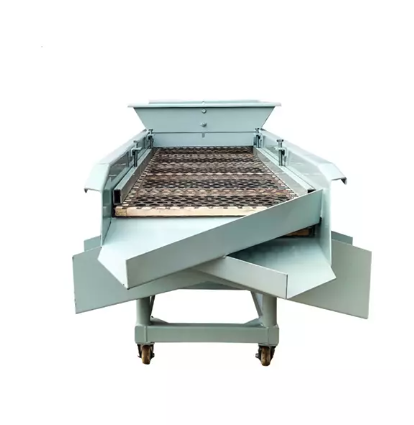
Norden Linear Vibrating Screen Machines are engineered for precise, efficient, and reliable material separation in various industries. These machines are designed with a stable and orderly linear vibration movement, ensuring smooth material flow and consistent performance. Equipped with adjustable vibration settings, they can be tailored to suit a variety of material types, such as metal alloys, ceramics, and plastics.
The Norden Linear Vibrating Screen Machine also offers flexible solutions through OEM and ODM services, allowing businesses to integrate them seamlessly into their production systems. Proper maintenance of Norden’s machines, following the practices outlined earlier, ensures reliable operation and extends their service life, maximizing efficiency and output in material processing.
Maintaining a Linear Vibrating Screen Machine is crucial for optimal performance and extended lifespan. Regular checks, lubrication, and timely part replacements help prevent downtime. Norden's Linear Vibrating Screen Machine offers precision, reliability, and customization, ensuring high-efficiency material separation and processing across industries.
A: A Linear Vibrating Screen Machine is used for sorting materials by size through a vibrating mesh. It ensures efficient material separation and sorting, making it ideal for various industries such as mining and metal processing.
A: To maintain a Linear Vibrating Screen Machine, regularly inspect the mesh, lubricate moving parts, and check for loose bolts or components. Follow the manufacturer’s guidelines for lubrication intervals and part replacements.
A: Regular maintenance ensures a Linear Vibrating Screen Machine runs smoothly, preventing downtime and extending its lifespan. It also maintains the machine’s efficiency and accuracy in material separation.
A: Common issues include uneven vibration, material clogging, or unusual noises. These problems can often be resolved by checking for misalignments, cleaning the mesh, or lubricating moving parts.
A: Proper lubrication reduces friction and wear on critical components of a Linear Vibrating Screen Machine, ensuring smooth operation and preventing overheating, which improves overall performance.


