- Home
- Machine
- Media
- Application
- Service
- About Us
- Blogs
- Contact Us
- All
- Product Name
- Product Keyword
- Product Model
- Product Summary
- Product Description
- Multi Field Search


Views: 0 Author: Site Editor Publish Time: 2025-12-30 Origin: Site
A Linear Vibrating Screen Machine is essential in many industries for sorting and classifying materials. But when investing in such equipment, a common question arises: Do I need to install a Linear Vibrating Screen Machine specially? In this article, we will explore the factors that influence whether special installation is necessary. You’ll learn about the standard process, challenges, and the conditions that might require extra measures for optimal performance.
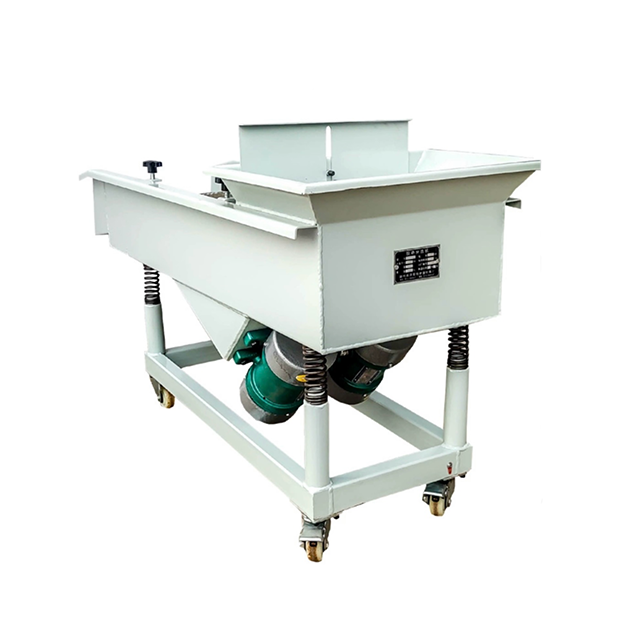
A Linear Vibrating Screen Machine uses vibration to separate and classify materials based on size. Unlike traditional separation methods, this machine employs a linear vibrating motion to push materials across the screen, ensuring that finer particles fall through the mesh while larger particles remain on top. The linear movement provides more control over material flow and separation, which is essential in industries where precision is critical.
The machine operates with a vibrating motor that induces motion along the screen's surface. The vibration frequency and amplitude can be adjusted depending on the material's properties, ensuring optimal sorting and classification.
For example, in the mining industry, it’s used to separate ore by size, while in the food processing industry, it’s used to ensure that only appropriately sized ingredients pass through the processing stages.
The Linear Vibrating Screen Machine has several features that make it a powerful and efficient choice for material processing:
Feature | Description |
High Efficiency | Continuous and high throughput, which is essential for large-scale operations. |
Customizable Mesh Sizes | Allows customization to meet specific material needs, improving precision. |
Durable Construction | Strong materials and design to withstand harsh conditions and abrasive materials. |
Energy Efficient | Lower energy consumption compared to traditional vibrating machines, making it cost-effective. |
Minimal Maintenance | The robust design reduces the need for frequent maintenance, saving time and money. |
These features make the Linear Vibrating Screen Machine highly adaptable for a variety of applications, from mining to food production.
The standard installation process for a Linear Vibrating Screen Machine is straightforward but requires attention to detail. Here are the steps involved:
1. Foundation Preparation: The machine requires a solid, stable foundation. If the surface is uneven, the foundation should be leveled, and reinforcement (such as concrete or steel beams) might be necessary.
2. Positioning the Machine: The machine should be positioned in alignment with the material flow. This ensures that the materials can be processed smoothly, preventing bottlenecks or blockages.
3. Electrical Connections: The vibrating motor and other components must be properly connected to the facility’s electrical system. This step also involves grounding the machine to prevent electrical issues.
4. Vibration Calibration: The machine’s vibration amplitude should be calibrated based on the type of material being processed and the required separation precision. Calibration ensures efficient material movement across the screen.
5. Final Testing: The installation is complete when the machine runs a test cycle using sample materials to ensure it functions as expected.
While this process works in many cases, special installation requirements may arise depending on specific conditions.
Though the installation process is generally simple, certain challenges may arise. These include:
● Excessive Vibration: The machine generates significant vibration, which can affect nearby equipment and the facility structure. If not controlled, this could lead to damage. Vibration isolation pads or mounting brackets may be required to minimize the effect.
● Space Constraints: In some cases, the available space for the machine may be limited, making it challenging to position it correctly or provide clearance for maintenance. Proper layout planning and possible structural modifications may be needed.
● Environmental Factors: For machines installed in extreme environments (e.g., high temperatures, humidity, or dusty areas), special precautions such as protective coatings or enclosures may be necessary to prevent wear or malfunction.
A mining company in Nevada installed a Linear Vibrating Screen Machine in an open, dry area with a large available footprint. The standard installation was followed, with a reinforced concrete foundation and electrical connections to power the motor. The machine ran smoothly for months without requiring special modifications. The lack of harsh environmental conditions and sufficient space made special installation unnecessary.
This case demonstrates that, for some environments, the standard installation procedure is sufficient.
Larger Linear Vibrating Screen Machines typically demand more robust installations due to their size and weight. Stronger foundations are necessary to support the increased weight of the machine and to prevent instability during operation. This often requires reinforced foundations, which may include thicker concrete or steel beams to ensure the machine remains securely in place and operates smoothly without shifting or causing structural problems. Additionally, the installation process for these larger units usually involves the use of heavy lifting equipment, such as cranes or forklifts, to move the machine into position. These considerations are essential to ensure the machine’s stability and proper functioning.
Environmental conditions play a significant role in determining whether special installation is needed. Here are some factors to consider:
Environmental Factor | Impact | Special Installation Need |
High Temperatures | Can cause overheating, leading to equipment failure. | Install cooling systems or use heat-resistant components. |
Dust | Dust can accumulate on the machine, clogging the motor and screens. | Use dustproof enclosures or air filtration systems. |
Humidity | Excess moisture can cause rust, affecting performance. | Use moisture-resistant coatings or parts. |
If the machine is going to be exposed to these extreme conditions, additional steps such as installing temperature control systems or protective covers may be required.
The Linear Vibrating Screen Machine requires a stable electrical supply for optimal performance. To ensure smooth operation, several power considerations must be addressed:
Voltage Compatibility: Make sure the machine’s voltage matches the available power supply to avoid issues.
Dedicated Power Circuit: Implement a dedicated power circuit to prevent overloads and ensure a stable power supply for the machine.
Surge Protection: Install surge protectors to protect the machine from potential electrical damage caused by power surges.
Proper electrical setup is critical to prevent interruptions or damage to the machine. In some cases, a backup power system might be necessary to avoid downtime during power outages.
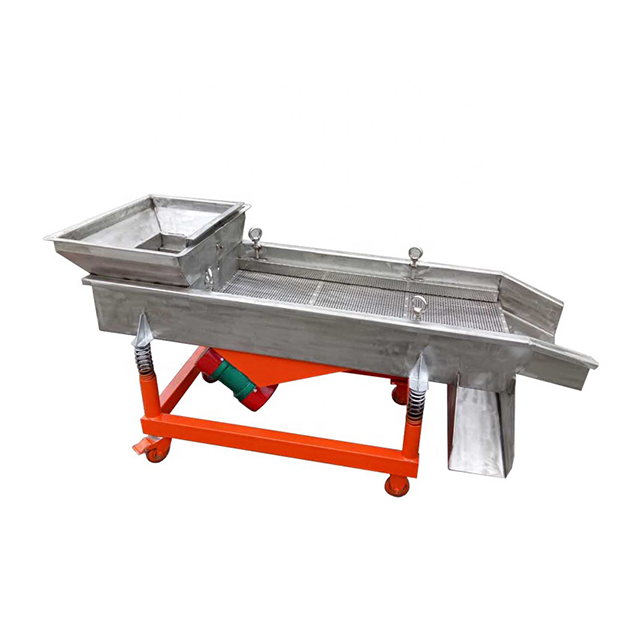
When dealing with large-scale operations, such as mining or aggregate processing, special installation measures become necessary. These environments require machines that can handle large volumes of material over extended periods. Special installation ensures that these large machines can operate without strain, preventing downtime and damage.
Certain materials require specialized handling during processing. For example:
● Abrasive Materials: When dealing with highly abrasive materials such as ores, crushed stone, or sand, the vibrating screen’s mesh may need to be made from tougher, more durable materials like steel wire or polyurethane to withstand the constant wear. Additionally, custom vibration settings might be required to ensure that the larger, heavier particles move efficiently across the screen without causing damage or clogging.
● Sticky Materials: Materials like clay, coal, or wet sand can easily clog the mesh, leading to reduced efficiency and performance. To maintain smooth operation, adjusting the vibration frequency to increase material flow may be necessary. Additionally, implementing cleaning mechanisms, such as rotating brushes, air jets, or spray systems, can help clear material buildup and prevent blockages, ensuring continuous processing.
In extreme environments—such as high heat, wet, or hazardous areas—special installation is crucial. For instance:
Extreme Condition | Special Installation Required |
High-Temperature Areas | Use heat-resistant components and install cooling systems. |
Wet Conditions | Install moisture-resistant parts or dehumidifiers to maintain optimal machine function. |
Chemical Exposure | Use corrosion-resistant materials and explosion-proof enclosures to ensure safe operation. |
These installations help to extend the machine's life and improve safety.
Proper installation of a Linear Vibrating Screen Machine increases efficiency and prolongs its service life. By addressing issues like vibration control, proper material handling, and environmental protection, the machine can function optimally for years, reducing the risk of breakdowns.
When the machine is installed properly from the start, it experiences less wear and tear, reducing the need for frequent maintenance and repairs. Special installation methods such as vibration dampening or proper foundation support prevent many common issues that lead to downtime.
Special installations, such as grounding the machine properly or using safety enclosures, enhance workplace safety by preventing electrical hazards and protecting workers from moving parts. This is particularly important in industries that involve hazardous materials, high-volume operations, or where there is a risk of exposure to flying debris or vibration-related injuries. Proper installation ensures both operational efficiency and a safer work environment.
Special installation typically incurs additional costs, but the long-term benefits often justify these expenses. Here's a breakdown:
Additional Cost | Reason |
Reinforced Foundations | To support larger, heavier machines. |
Custom Components | To handle specific materials or environmental conditions. |
Labor Costs | More time and labor are needed for complex installations. |
While these costs may be higher than standard installation, they pay off in the form of improved efficiency and fewer breakdowns.
Investing in specialized installation leads to a higher ROI due to:
● Longer Equipment Life: Proper installation reduces wear and tear, extending the lifespan of the Linear Vibrating Screen Machine and maximizing its return on investment.
● Higher Productivity: Fewer interruptions and downtime mean better overall output, ensuring continuous operation and more efficient material processing.
● Cost Savings: Less frequent maintenance and repairs lead to significant savings, lowering the long-term operational costs and enhancing overall profitability.
● For basic operations, standard installation may suffice, but large-scale setups, extreme materials, or harsh environments often require special measures.
● Special installation ensures better performance, reduced downtime, and improved safety.
While not every Linear Vibrating Screen Machine requires special installation, it is essential for businesses operating in demanding conditions or handling large volumes of material. Special installation enhances the machine’s efficiency, extends its life, and improves safety.At Norden, we specialize in providing customized installation solutions tailored to your specific needs, ensuring your Linear Vibrating Screen Machine operates at its best in any environment.
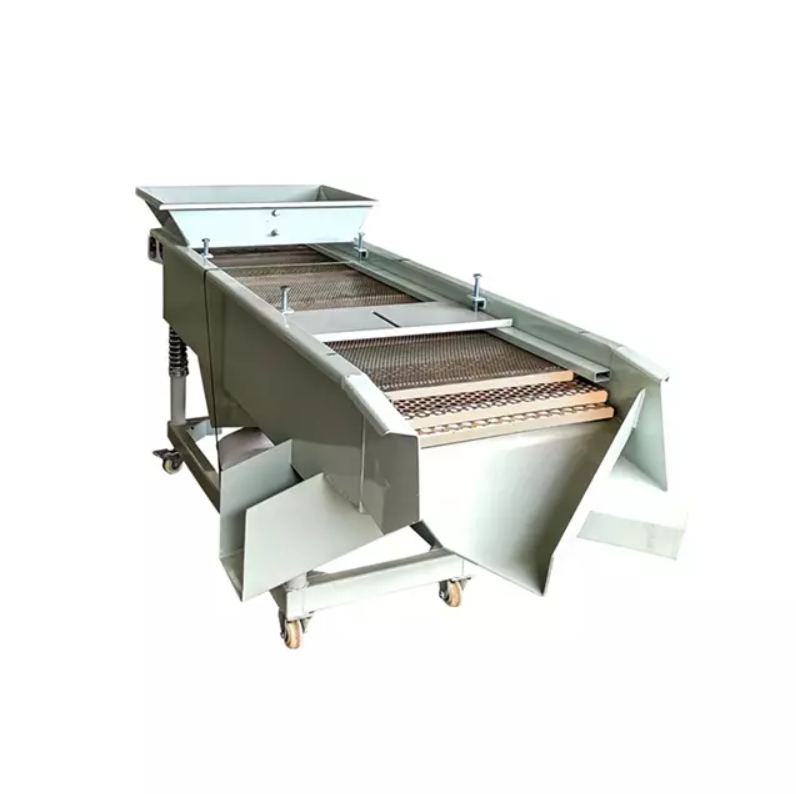
A: Whether you need special installation for a Linear Vibrating Screen Machine depends on factors like machine size, environmental conditions, and material type. In some cases, special measures such as reinforced foundations or vibration isolation may be required for optimal performance.
A: Special installation ensures higher efficiency, reduced downtime, and extended equipment life. It helps handle heavy loads, harsh environments, and material challenges, improving overall productivity.
A: The installation involves preparing a stable foundation, aligning the machine with material flow, making electrical connections, and calibrating the vibration. Special installations may require adjustments based on size, environment, and operational needs.
A: Special installation is needed if the machine operates in extreme conditions, such as high heat, humidity, or heavy-duty operations. Custom foundations and vibration dampening may also be necessary for larger machines or specific materials.


