- Home
- Machine
- Media
- Application
- Service
- About Us
- Blogs
- Contact Us
- All
- Product Name
- Product Keyword
- Product Model
- Product Summary
- Product Description
- Multi Field Search


Views: 0 Author: Site Editor Publish Time: 2025-10-15 Origin: Site
For manufacturers and fabricators, achieving a smooth, polished, and uniform surface on workpieces is essential. A vibratory polishing machine provides a highly efficient solution for deburring, polishing, and finishing parts of all shapes and sizes. Unlike manual buffing or traditional grinding, this equipment uses controlled vibrations and abrasive media to deliver consistent results across large batches.
From metals like aluminum and stainless steel to delicate ceramics and plastics, vibratory polishing is versatile, cost-effective, and scalable. Whether preparing surfaces for coating, improving aesthetic appeal, or ensuring part functionality, this method helps industries save time, reduce labor, and maintain high-quality standards.
In this article, we explore which workpieces benefit most from vibratory polishing, how the process works, industrial applications, and tips for selecting the right media and machine for your needs.
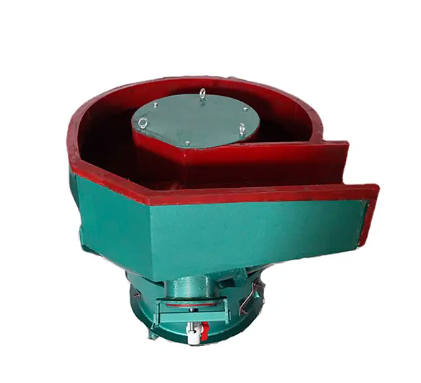
A vibratory polishing machine removes surface imperfections using vibration energy. Instead of grinding or manual buffing, it relies on a controlled vibratory motion that makes thousands of gentle impacts between workpieces and media.
The process begins when the machine’s motor generates rapid vibrations. These vibrations travel through the bowl or tub, making the abrasive media rub and impact the workpieces in random yet uniform patterns. This mechanical friction gradually smooths and polishes surfaces.
In short: vibration = consistent contact = controlled surface refinement.
| Component | Function |
|---|---|
| Bowl or Tub | Holds the workpieces and media during processing |
| Motor | Creates high-frequency vibrations |
| Springs | Support the bowl and absorb excess energy |
| Media | The abrasive or polishing material (ceramic, plastic, steel, etc.) |
| Compound Flow System | Delivers cleaning or polishing fluids into the bowl |
The vibratory motion causes a corkscrew-like circulation of media and parts. Every part is constantly surrounded by media, so no spot is left untouched. The result: even polishing and predictable surface results on every batch.
Depending on media and compound, vibratory polishing can produce:
Matte finish – for pre-coating or painting
Satin finish – subtle sheen for decorative parts
Mirror-like finish – bright, reflective appearance for jewelry or medical tools
Both use vibration, but their goals differ:
Vibratory finishing focuses on deburring and surface refinement.
Vibratory polishing targets final appearance and brightness.
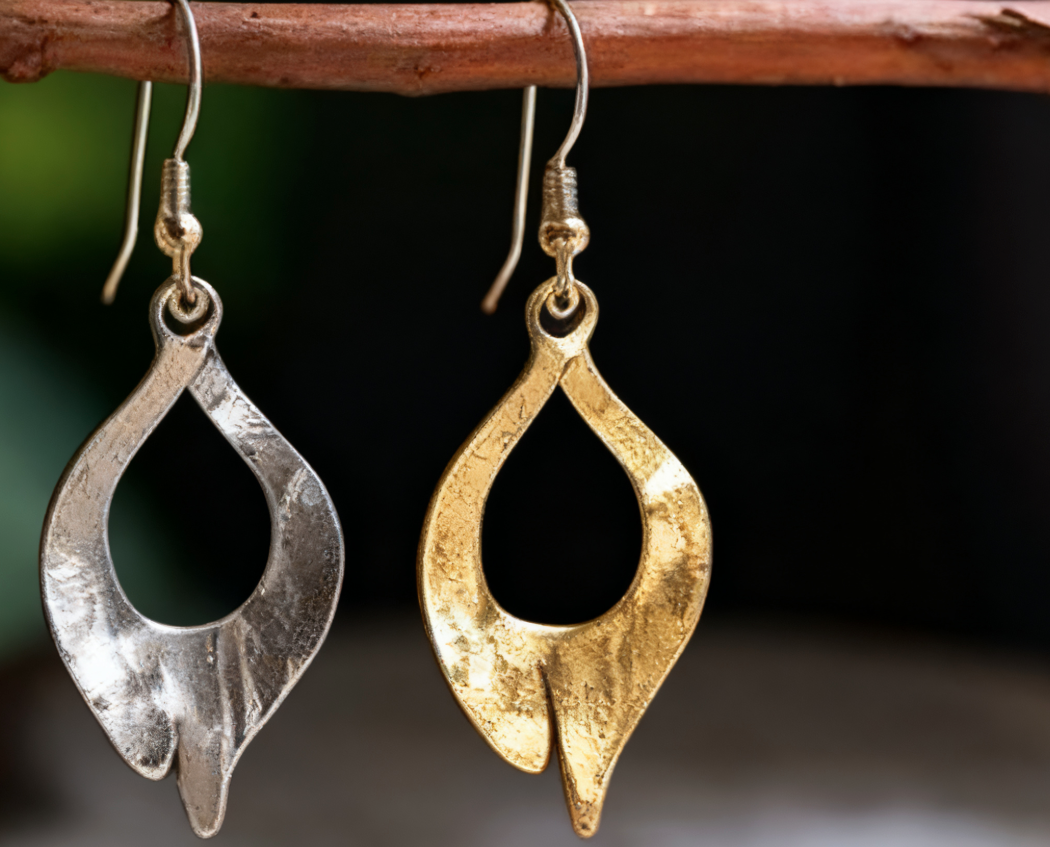
Vibratory polishing works for both metallic and non-metallic materials. The flexibility of media and vibration control makes it ideal for mixed applications.
Some metals respond better due to their hardness and surface characteristics.
| Metal Type | Typical Purpose | Key Benefits |
|---|---|---|
| Aluminum | Pre-anodizing, deburring | Smooths edges before coating |
| Stainless Steel | Polishing, descaling | Improves corrosion resistance |
| Brass & Copper | Decorative items | Achieves high-gloss finish, removes tarnish |
| Titanium & Nickel Alloys | Aerospace, medical tools | Precision surface refinement, fatigue resistance |
Why metals respond well:
They maintain shape under vibration, conduct heat evenly, and allow the media to cut or polish at a predictable rate. Results include better smoothness, brighter surfaces, and rounded edges.
Non-metal parts benefit too, though process settings must be softer.
| Material | Typical Application | Process Notes |
|---|---|---|
| Plastics | Molded parts | Low-speed vibration to remove flash |
| Ceramics | Electronic components | Fine media for micro-edge smoothing |
| Composites | Aerospace panels, tools | Prepares surface for coating or bonding |
For non-metals, lighter media and slower cycles prevent surface damage or deformation.
Vibratory polishing is a crucial process in the automotive industry, particularly for components like gears, pistons, fasteners, and brackets. These parts are subjected to high stress and require a high level of surface finish to ensure durability and performance. Vibratory polishing removes burrs, enhances paint adhesion, and prevents corrosion, which is essential for the longevity of automotive parts. In mass production, it ensures uniform finishes across thousands of parts, maintaining consistency and quality. Additionally, it helps in reducing noise and vibration, contributing to a smoother ride and better overall vehicle performance.
The jewelry and watchmaking industry relies on vibratory polishing for the delicate finishing of gold, silver, and stainless steel pieces. Organic media such as corn cob or walnut shell are often used to give a flawless mirror finish without scratches. This process enhances the aesthetic appeal of jewelry and watches, ensuring that they look polished and luxurious. It also helps in removing any manufacturing imperfections, ensuring that each piece meets the highest standards of craftsmanship.
In the electronics and electrical industry, components like contacts, housings, and metal connectors require smooth surfaces to ensure stable electrical connections and ease of assembly in compact devices. Vibratory polishing helps in removing surface contaminants and micro-burrs, which can otherwise lead to electrical short circuits or poor conductivity. This process is essential for maintaining the reliability and performance of electronic devices, from small consumer electronics to large industrial systems.
Vibratory polishing is widely used in the hardware and consumer goods industry for items like cutlery, hinges, locks, and handles. This process ensures a consistent shine and smooth touch across large batches, enhancing the overall appearance and user experience of these products. It helps in removing surface defects and providing a uniform finish, which is essential for maintaining the quality and durability of consumer goods. Additionally, it contributes to the ease of cleaning and maintenance of these products, making them more user-friendly.
In the food processing industry, vibratory polishing is used for components like mixers, blenders, and conveyor systems. These parts need to be free of contaminants and have a smooth surface to prevent the buildup of food residues, which can lead to bacterial growth. Vibratory polishing ensures that equipment is easy to clean and maintain, meeting the strict hygiene standards required in food processing facilities.
For the construction and architecture sector, vibratory polishing is applied to metal beams, panels, and architectural elements. This process helps in achieving a high-quality finish that is both aesthetically pleasing and durable. It enhances the corrosion resistance of metal components, ensuring that they can withstand harsh environmental conditions. Additionally, it contributes to the overall structural integrity of buildings and structures by providing a smooth, uniform surface that is free of defects.
The selection of the right media is crucial for achieving the desired finish quality and cutting action in vibratory polishing. The media type defines not only the finish but also the efficiency and effectiveness of the process.
| Media Type | Best For | Notes |
|---|---|---|
| Ceramic | Hard metals | Aggressive cutting and deburring |
| Plastic | Soft metals, plastics | Gentle finishing, low wear |
| Steel | Stainless and ferrous metals | Burnishing and bright polishing |
| Organic (corn cob, walnut shell) | Jewelry, delicate parts | Non-abrasive, high-gloss effect |
Ceramic Media: Ceramic media is ideal for hard metals due to its high density and hardness. It provides aggressive cutting and deburring, making it suitable for removing heavy burrs and achieving a smooth surface finish. This media is particularly effective in applications where a high level of material removal is required.
Plastic Media: Plastic media is softer and lighter, making it perfect for soft metals and plastic components. It offers gentle finishing with minimal wear on the workpiece, ensuring that delicate parts are not damaged during the process. Plastic media is also less likely to cause scratches, making it ideal for achieving a fine, polished finish.
Steel Media: Steel media is used for stainless and ferrous metals. It provides excellent burnishing and bright polishing, enhancing the surface finish and making the parts look shiny and polished. Steel media is particularly effective in applications where a high-gloss finish is required, such as in the automotive and aerospace industries.
Organic Media (Corn Cob, Walnut Shell): Organic media, such as corn cob or walnut shell, is ideal for jewelry and delicate parts. These materials are non-abrasive and provide a high-gloss effect without causing damage to the workpiece. They are particularly useful for achieving a mirror-like finish on precious metals and delicate components.
Several factors affect the result of vibratory polishing, and optimizing these parameters is essential for achieving the best possible finish.
Vibration Frequency: The vibration frequency typically ranges from 900–3600 RPM. Higher frequencies provide more aggressive cutting action, while lower frequencies are gentler on the workpiece. The choice of frequency depends on the material and the desired finish. For example, a higher frequency might be used for hard metals to achieve a faster material removal rate, while a lower frequency might be used for softer materials to prevent damage.
Amplitude: The amplitude of the vibration determines the cutting aggressiveness. A larger amplitude results in a more aggressive cutting action, which is suitable for removing heavy burrs and achieving a rougher finish. A smaller amplitude provides a gentler finish, which is ideal for fine polishing and achieving a high-gloss surface.
Media-to-Part Ratio: The typical media-to-part ratio ranges from 3:1 to 10:1. A higher ratio provides more media contact with the workpiece, resulting in a faster and more uniform finish. However, too high a ratio can lead to part-to-part collisions and damage. The optimal ratio depends on the size and shape of the workpiece, as well as the desired finish.
Wet vs. Dry Process: The choice between a wet and dry process depends on the application. A dry process is used for achieving a bright polish, as it allows the media to directly contact the workpiece without the interference of water or other liquids. A wet process, on the other hand, is used for cleaning and cooling the workpiece, which is essential for removing debris and preventing overheating during the process.
Compounds: The use of compounds can significantly enhance the vibratory polishing process. Detergents help in removing debris and contaminants from the workpiece, ensuring a clean and uniform finish. Rust inhibitors prevent the formation of rust on ferrous metals, which is particularly important in wet processes. Shining agents enhance the gloss and brightness of the surface, making the parts look polished and finished.
A: Very soft, flexible, or porous materials like rubber, thin plastics, and untreated ceramics can be damaged or deformed.
A: Yes. Use soft media, lower vibration settings, and dividers to prevent part-to-part contact.
A: Usually between 30 minutes and 4 hours, depending on material, finish, and media type.
A: Dry finishing gives a higher gloss, while wet finishing works best for cleaning and deburring.
A: Clean after each cycle; replace every few months when media loses shape or efficiency.
Vibratory polishing machines are a cornerstone of modern surface finishing, delivering precision, consistency, and high-quality finishes across a wide range of workpieces. They are invaluable for industries from automotive and aerospace to electronics, medical tools, and consumer goods, helping manufacturers save time, reduce labor costs, and improve product aesthetics and durability.
For businesses looking to enhance productivity and achieve superior surface finishes, investing in a high-quality vibratory polishing machine is a smart decision. Norden Machinery offers reliable, ISO-certified vibratory polishing solutions that cater to both small-scale and large-scale production needs, ensuring every workpiece meets exacting quality standards.


