- Home
- Machine
- Media
- Application
- Service
- About Us
- Blogs
- Contact Us
- All
- Product Name
- Product Keyword
- Product Model
- Product Summary
- Product Description
- Multi Field Search


Views: 0 Author: Site Editor Publish Time: 2026-01-22 Origin: Site
Is your jewellery polishing machine delivering the best results consistently? If not, regular maintenance could be the key to unlocking its full potential. Keeping a polishing machine in top condition ensures high-quality finishes and extends its lifespan. In this article, we will explore effective ways to maintain a jewellery polishing machine. You will learn about cleaning routines, mechanical care, and safety protocols, which will help you keep your machine running smoothly for years.
One of the most crucial steps in maintaining a jewellery polishing machine is regular cleaning. Metal filings, polishing compounds, and dust can accumulate on the surface and mechanical parts, affecting the machine’s performance. To avoid this, regularly wipe down all surfaces with a soft cloth to remove any debris. Clean spindles and work areas thoroughly, especially after each use, to prevent residue buildup, which could lead to operational issues.
To ensure a clean and safe working environment, it's vital to utilize a dust collection system. Many jewellery polishing machines come with built-in dust extraction systems that capture harmful dust particles and prevent them from circulating in the air. Using such systems helps to reduce health risks associated with inhaling metal dust and polishing compounds. Additionally, it keeps the machine free from excess debris, ensuring it functions efficiently without overheating or clogging.
Regular cleaning of the internal components, especially in hard-to-reach areas, is essential for preventing the buildup of dust and polishing compounds. This not only helps in maintaining the machine’s performance but also extends its longevity by ensuring smooth operation.
| Maintenance Step | Tools/Materials | Considerations | Technical Specifications/Standards |
|---|---|---|---|
| Use Compressed Air for Cleaning | Compressed air, hose | Ensure air is moisture-free to avoid water entering electrical components | Air pressure: 5-10 PSI |
| Use Soft Brush to Clean Parts | Nylon/Wool brush | Avoid applying excessive pressure to prevent damaging sensitive parts | Brush hardness: Soft, no burrs |
| Clean Dust Collection System | HEPA filters, cleaning cloth | Regularly check and replace filters to avoid clogging and reduced suction | HEPA filter efficiency: ≥99.97% |
| Clean Electrical Connections | Dry cloth, cleaning solution | Always disconnect power before cleaning to prevent electrical faults | Cleaning solution must be suitable for electrical devices |
Tip: Cleaning internal components regularly ensures that the machine operates efficiently, preventing malfunction due to dust buildup and extending its life.
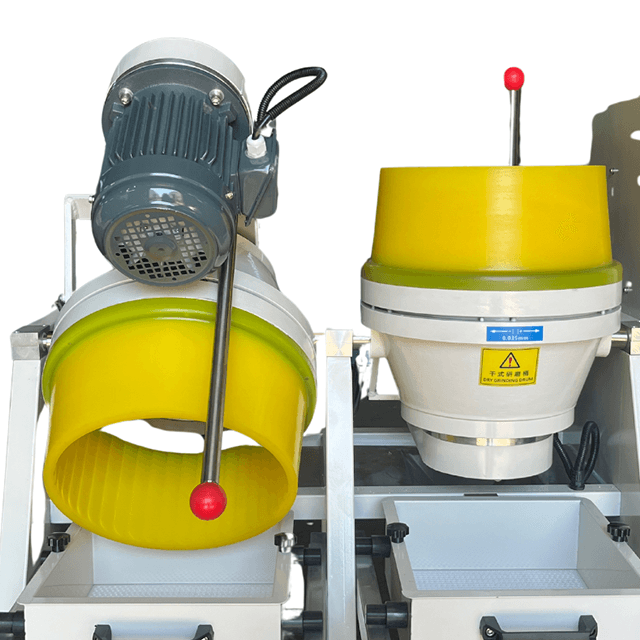
Motor brushes are crucial for maintaining the electrical conductivity between the motor's stator and rotor. As the machine operates, these brushes wear down, leading to inefficient power transmission, overheating, or motor failure. Studies show that worn brushes can cause uneven current flow, resulting in fluctuations in motor speed, which affects polishing consistency. Regular inspections every 3-6 months allow for early detection of wear, and replacing brushes when they become too short prevents mechanical failure and ensures consistent machine performance, reducing the need for costly repairs.
Bearings are essential for smooth motion, supporting the motor and moving parts of the jewellery polishing machine. Without regular lubrication, friction between the metal components can cause overheating and premature wear, which may lead to motor strain or failure. Research indicates that proper lubrication helps to disperse heat, reduce friction, and minimize the likelihood of component degradation. By following the manufacturer's guidelines for lubrication types and intervals, you can ensure smooth operation, improve polishing quality, and extend the overall lifespan of the machine, preventing unexpected downtime.
Polishing buffs and wheels experience gradual wear with continuous use, which directly impacts polishing quality and finish. Worn-out buffs can create uneven polishing results, leaving jewellery with an inconsistent shine. Studies show that using excessively worn or improperly installed buffs increases the likelihood of surface damage. Regularly checking the condition of the buffs for any tears, bald spots, or flattening ensures that the machine maintains optimal performance. Always verify that buffs are securely fastened to the spindle to prevent accidents caused by dislodged or imbalanced wheels, ensuring a safe and effective polishing process.
One common mistake when using a jewellery polishing machine is overloading the tumblers or magnetic polishers. Overloading the machine reduces its effectiveness by limiting the space for proper movement and preventing uniform polishing. It can also cause the motor to overheat, resulting in a malfunction. To maintain efficiency, only load the machine with the recommended quantity of items, ensuring that each piece is polished evenly and thoroughly.
Using separate barrels for different materials, such as steel shot and grit, is vital in preventing cross-contamination. This maintains the quality of polishing and ensures that each material is polished effectively without mixing abrasives that could cause scratches or imperfections.
| Maintenance Step | Tools/Materials | Considerations | Technical Specifications/Standards |
|---|---|---|---|
| Use Separate Barrels for Different Materials | Dedicated polishing barrels, steel shot | Ensure each material has its own barrel to prevent contamination | Barrel capacity: 10L, 20L, 30L |
| Monitor Polishing Effect | Observation window, polishing samples | Check the polishing effect periodically to ensure even results for each material | Polishing time per material: 10-15 minutes |
| Clean Barrels After Use | Cleaning cloth, compressed air | Always clean barrels thoroughly after use to prevent residue build-up | Cleaning frequency: After every use |
| Check Material Compatibility | Polishing media, grit | Ensure that materials do not mix, leading to scratches or damage during polishing | Barrel capacity: Do not exceed max fill capacity |
Tip: Using separate barrels for each polishing material reduces cross-contamination and ensures consistent, high-quality polishing for every material.
Properly securing jewelry pieces is essential to ensure safety and precision during the polishing process. Studies show that unsecured pieces are more likely to cause damage not only to themselves but also to surrounding equipment, leading to costly repairs. Additionally, jewelry that is not firmly secured can fly off during high-speed operations, posing a serious safety risk to operators. Using appropriate fixtures, clamps, or custom-designed mounts ensures that each piece remains stable, reducing vibration and movement. This controlled environment maximizes polishing efficiency, prevents accidents, and ensures a uniform finish on delicate or intricate jewelry.
Spindle alignment is vital for achieving uniform pressure across the workpiece, which directly impacts the quality of the polish. Misalignment can result in uneven pressure distribution, causing one side of the jewellery to receive more polishing than the other, leading to visible defects like scratches or uneven shine. Research shows that misaligned spindles also place additional strain on the motor, leading to premature wear. Regularly verifying spindle alignment with a precision gauge ensures that the polishing process is consistent, which not only improves polishing results but also minimizes the risk of machinery breakdowns.
Electrical components in jewellery polishing machines are critical to their safe and efficient operation. Power cords, switches, and electrical connections can degrade over time, especially with frequent use. Failure to inspect these components can result in electrical shorts, malfunctions, or even fires. Studies indicate that regular checks of insulation, connections, and grounding can prevent these hazards. Implementing a routine electrical inspection schedule, which includes checking for exposed wires, frayed cords, and faulty connections, helps ensure both the machine’s reliability and operator safety.
Ground resistance testing is crucial for protecting both the jewellery polishing machine and the operator from electrical hazards. A resistance value above 4Ω can signal that the electrical system is not effectively grounded, which increases the risk of electric shock or fire. Studies have shown that grounding issues are a leading cause of industrial electrical accidents. Regular ground resistance checks, using a multimeter or ground tester, help identify potential faults in the grounding system. Keeping the resistance low ensures that the electrical system is functioning safely, minimizing the risk of accidents and ensuring compliance with safety standards.
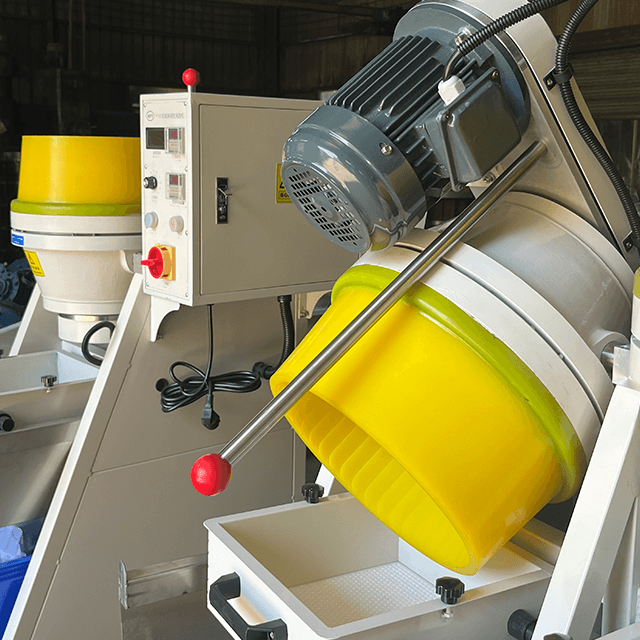
Buffing wheels gradually lose their effectiveness as they wear down. Regular maintenance of the buffing wheels, such as inspecting for signs of wear and fraying, is essential to maintain polishing quality. Replacing worn-out wheels ensures an even finish on your jewellery pieces and prevents scratches. Additionally, using a buff rake to remove old polishing compounds from the wheels will help restore their effectiveness and prolong their lifespan.
Ensuring that buffing wheels are securely installed on the spindle is essential for both polishing quality and operator safety. When buffing wheels are loosely mounted, they can cause vibrations that lead to uneven polishing results and accelerate wheel wear. Scientific studies have shown that imbalance or incorrect mounting can increase stress on the motor, potentially shortening its lifespan. Regular checks for correct wheel alignment, spindle tightness, and proper wheel balancing help prevent these issues, ensuring consistent, high-quality polishing and extending the lifespan of both the wheels and machine.
Overusing buffing wheels can result in reduced effectiveness and uneven polishing. Proper use, with careful rotation and regular checks, ensures that the wheels maintain their optimal performance and extend their lifespan.
| Maintenance Step | Tools/Materials | Considerations | Technical Specifications/Standards |
|---|---|---|---|
| Use Buffing Wheels in Rotation | Buffing wheels, cotton cloth | Rotate the use of wheels to ensure even wear and prevent overuse | Wheel wear: ≤5mm |
| Regularly Clean Buffing Wheels | Polishing compound, soft brush | Use a buff rake to remove hardened compounds from wheels | Cleaning frequency: Weekly |
| Check Installation of Buffing Wheels | Wrench, screwdriver | Ensure that buffing wheels are securely installed to avoid accidents during operation | After installation, ensure wheels are tight and centered |
| Monitor Wheel Usage | Inspection tools | Avoid using a single wheel for extended periods; replace when wear is noticeable | Installation check: Every usage |
Tip: Proper rotation and regular cleaning of buffing wheels can significantly extend their lifespan, ensuring a smooth and high-quality finish on jewellery.
A detailed maintenance log not only tracks routine tasks but also offers a valuable historical overview of the machine’s operational health. It can highlight patterns of wear or recurring issues, allowing you to predict when components are nearing the end of their lifespan. Using specialized software to log maintenance activities can further streamline this process, providing automated reminders for scheduled maintenance and offering insights into the optimal replacement cycles for critical parts.
Recording performance metrics is essential for identifying inefficiencies or potential malfunctions early. Track variables such as polish quality, speed, and any vibrations or unusual sounds, and compare these over time. Advanced diagnostic tools can help measure specific performance parameters like motor temperature or power consumption, offering quantitative data to support decisions on maintenance or upgrades. This proactive approach can help optimize the machine's operational efficiency and extend its useful life.
Maintaining a jewellery polishing machine is essential for ensuring consistent, high-quality results and optimal performance. Regular cleaning, mechanical care, and safety inspections will not only help extend the lifespan of the equipment but also prevent breakdowns and costly repairs. By following these maintenance practices, you can ensure that your machine operates efficiently for years to come. Norden offers top-notch jewellery polishing machines, known for their reliability and performance. Their machines provide excellent polishing results, backed by comprehensive support and maintenance services, ensuring long-term value for your investment.
A: It's recommended to clean your Jewellery Polishing Machine after each use to prevent the buildup of polishing compounds, metal filings, and dust, ensuring optimal performance.
A: Inspecting motor brushes every few months ensures the machine runs efficiently. Worn brushes can cause uneven polishing and increase the risk of motor failure.
A: Regular maintenance, such as cleaning, lubricating bearings, and inspecting components, will significantly extend the lifespan of your Jewellery Polishing Machine.
A: Unusual noises may indicate loose parts or worn components. Inspect the machine, check the motor, and replace any damaged parts to restore smooth operation.
A: Overloading the machine can reduce polishing effectiveness and cause overheating. Always follow the manufacturer’s guidelines on load capacity for optimal performance.


