- Home
- Machine
- Media
- Application
- Service
- About Us
- Blogs
- Contact Us
- All
- Product Name
- Product Keyword
- Product Model
- Product Summary
- Product Description
- Multi Field Search


Views: 0 Author: Site Editor Publish Time: 2026-01-20 Origin: Site
Do you want to give your vehicle a glossy, mirror-like finish without breaking the bank? A wheel polishing machine might be the solution you’ve been looking for. These machines can transform the appearance of metal wheels, enhancing both aesthetics and functionality. In this article, we will explore how to effectively use a wheel polishing machine to achieve the best results. Whether you're an enthusiast or a professional, this guide will walk you through the process step by step, helping you maintain your wheels with ease and precision.
Portable on-vehicle polishers are designed for quick touch-ups and minor polishing tasks while the wheel remains attached to the vehicle. These machines use rotating heads with polishing pads or brushes that help remove grime, oxidation, and light imperfections from the surface. Popular models like the Aussie Rimshine or VIS-Shine are ideal for trucks, motorcycles, and fleet vehicles, as they are efficient and easy to operate without requiring wheel removal.
These units are perfect for businesses or individuals looking for a fast, convenient solution to maintain the appearance of their vehicles without the need for professional services. The ease of use and portability make them a favorite among fleet managers and car detailers.
Vibratory finishing machines, on the other hand, are designed for batch processing of smaller wheel sets. They use a combination of abrasive media and compound within a vibrating bowl to create smooth, uniform finishes on the wheels. These machines are ideal for polishing multiple wheels at once, making them a great choice for high-volume professional shops.
The vibration process ensures that the wheels undergo consistent polishing, delivering a high-quality, repeatable finish without the need for manual labor. It’s especially useful for automotive manufacturers or workshops where high precision and consistency are required for large batches of wheels.
For large-scale, high-volume polishing, industrial automated systems are the best solution. These fully automated machines handle a variety of wheel sizes and provide consistent, professional results. Designed for commercial environments, they offer significant ROI by reducing labor time, enhancing productivity, and maintaining a consistent quality finish.
Such systems are particularly beneficial for commercial operations dealing with large numbers of wheels, as they can process wheels in automated cycles, reducing downtime and labor costs. These machines typically use advanced robotic arms and specialized media to achieve a flawless, mirror-like finish on every wheel.
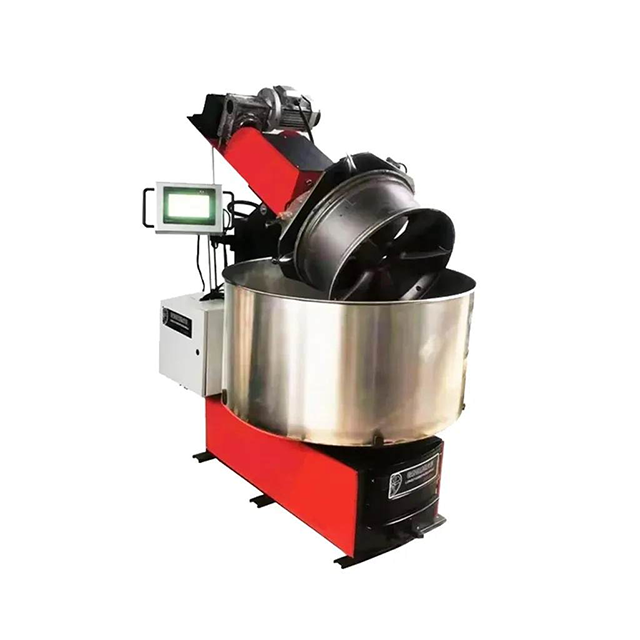
Before using any wheel polishing machine, cleaning the wheels is a crucial first step. Dust, brake grime, and oil residues can cause scratches and reduce the effectiveness of the polishing process. Use a wheel cleaner to remove brake dust and other debris, followed by a thorough wash with water. Ensure the wheels are completely dry before starting the polishing process to avoid any water spots or contamination during polishing.
Cleaning ensures that the wheel’s surface is smooth and free from particles that could cause uneven polishing or scratches during the process.
For areas that should not be polished, such as painted sections or specific finishes, masking tape or protective film should be applied. This step is especially important when using industrial machines or on vehicles with multi-finish wheels. Masking protects these areas from the abrasive compounds used during polishing, preventing accidental damage.
Ensure that the tape or film is securely applied and that there are no gaps that could expose sensitive areas to the polishing process.
Ensuring safety when using wheel polishing machines is crucial. Proper safety equipment, checking the work environment for hazards, and ensuring the machine is in good working condition help avoid potential risks. The following table outlines the necessary safety measures and specific requirements when using wheel polishing machines.
| Safety Measure | Applicable Tools/Equipment | Key Considerations | Technical Specifications/Requirements | Notes |
|---|---|---|---|---|
| Safety Glasses | Protect eyes from flying debris | Choose glasses with impact resistance and dust protection | Must meet ANSI Z87.1 standards | Must be worn at all times |
| Gloves | Prevent hand injuries | Use durable, slip-resistant gloves | Ensure full hand coverage, suitable for operation | Avoid loose gloves |
| Ear Protection | Reduce exposure to machine noise | Select ear protection suitable for high-noise environments | Provide 25-30dB noise isolation | Must be worn |
| Long-Sleeve Clothing | Prevent loose clothing from getting caught in machine parts | Clothing should be tight-fitting, avoid loose cuffs | Clothing should fit closely to the body | Ensure proper fitting |
| Work Area Check | Ensure work area is hazard-free | Clear the work area of any debris or flammable materials | Work area should be unobstructed | Check beforehand |
| Ventilation | Prevent inhalation of dust and polishing compound fumes | Ensure the work area is adequately ventilated | Ensure an air exchange rate of at least 6 times per hour | Especially important in enclosed spaces |
Tip:Always prioritize safety when using a wheel polishing machine, ensuring proper protective gear is worn and the equipment and work area are regularly inspected.
The choice of polishing pad is critical to achieving the desired finish. For heavy work, such as removing oxidation or scratches, a rougher pad (like sisal) should be used. For finer polishing stages, switch to softer pads, such as cotton or microfiber, to achieve a smooth, high-gloss finish. Always ensure that the pad is securely attached to the machine before starting. For industrial machines, make sure the wheels are properly mounted and secured to prevent any movement during the polishing process.
Polishing compounds are available in various grades, each suited to a particular stage of the polishing process. Start with a coarse compound to remove deep imperfections and oxidation, and then gradually use finer compounds to refine the surface. Apply a small amount of compound to the pad, and allow it to spread evenly on the wheel’s surface.Avoid over-saturating the pad, as too much compound can lead to messy results and unnecessary wastage.
The table below presents various commonly used polishing compounds, their applications, features, and usage recommendations.
| Polishing Compound | Applicable Stage | Key Features | Usage Recommendations | Time/Pressure |
|---|---|---|---|---|
| Coarse Compound | Heavy Cutting | Removes oxidation, deep scratches | Use with a coarse polishing pad and medium pressure | Time: 2-6 hours |
| Medium Compound | Smoothing | Refines surface, removes light defects | Use with a softer polishing pad and light pressure | Time: 1-3 hours |
| Fine Compound | Fine Polishing | Adds gloss, creates mirror finish | Use with a soft polishing pad, very light pressure | Time: 1-2 hours |
Different polishing stages require different machine settings. Start with a lower speed to spread the compound evenly across the wheel. Once the compound is distributed, increase the speed to polish effectively. For dual-action polishers, ensure the pad both rotates and oscillates to avoid heat buildup, which can cause imperfections or damage to the wheel surface. Some machines also allow for pressure adjustments, which is essential for preventing damage to delicate areas of the wheel.
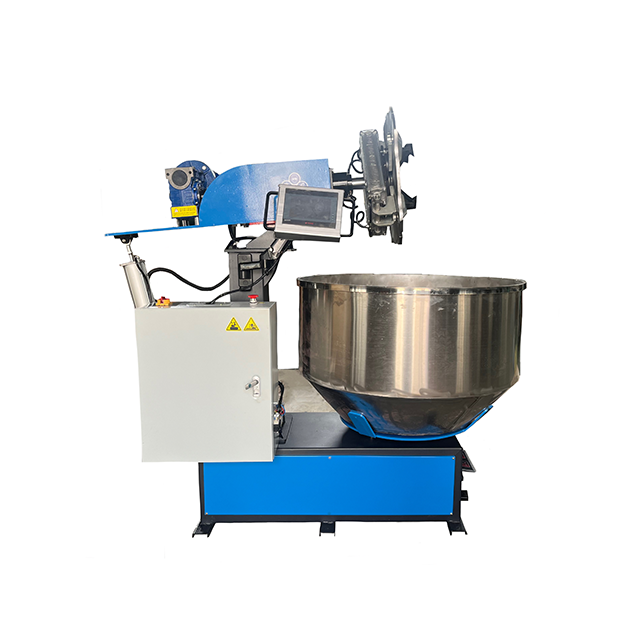
In this first stage, coarse compounds are used with aggressive pads to remove oxidation, deep scratches, and imperfections. Apply moderate pressure and allow the machine to work the surface evenly. The goal of this step is to smooth out any significant defects in the wheel’s surface. This stage may take the longest, especially for wheels with heavy oxidation or significant damage.
Once the major imperfections are removed, it’s time to switch to a softer pad and a medium-grade compound. This step helps to smooth out the surface further, preparing it for the final polishing. The wheel should start to take on a semi-bright finish at this stage, but it’s still not at its final shine. Ensure the entire wheel surface is evenly polished by moving the machine in overlapping passes.
The fine polishing stage is the final step of the polishing process, with the goal of achieving a mirror-like, high-gloss finish. This stage requires precise machine settings, polishing compounds, and application techniques. The table below summarizes the key steps and requirements for this stage.
| Step | Tools & Settings | Applicable Compound | Time/Pressure | Considerations |
|---|---|---|---|---|
| Wheel Preparation | Soft polishing pad, fine polishing compound | Fine polishing compound | Light pressure, evenly applied | Ensure machine is set at low to medium speed to avoid overheating |
| Surface Polishing | Rotary or dual-action polisher | Fine polishing compound | Light to medium pressure | Ensure even coverage, no missed areas |
| Final Cleaning | Clean microfiber cloth to wipe surface | - | - | Wipe off any residue and apply a protective sealant |
Tip:The fine polishing stage requires light pressure and precise application to achieve a uniform high-gloss finish without damaging the surface.
Adjusting the speed and pressure settings is essential to prevent damage and ensure an even, high-quality finish. For initial stages, use a low-speed setting to ensure the compound is spread evenly across the wheel. Gradually increase the speed to achieve a polished surface. Applying light-to-medium pressure helps avoid excessive heat, which can warp or discolor the wheel. Heat management is critical, as high temperatures may lead to surface imperfections or fading, especially on delicate materials like alloy wheels.
Consistency in motion ensures the wheel’s entire surface is polished evenly, preventing uneven spots or streaks. It’s important to make overlapping passes with the machine, moving it across the wheel in a steady, controlled manner. Avoid pressing too hard in one area, as it can generate heat and lead to uneven polishing. Varying your motion between side-to-side and up-and-down movements helps distribute pressure and compound evenly, enhancing the final mirror-like finish and reducing the risk of imperfections.
Regularly checking your progress during the polishing process is essential for achieving the desired results. Use a clean microfiber cloth to wipe away any residue and assess whether the finish is even and smooth. Pay attention to areas where the polishing might be uneven or lacking gloss. If necessary, apply more compound and adjust your technique in those spots. This ongoing assessment helps avoid over-polishing certain areas while ensuring that the wheel achieves a consistent, professional-grade finish.
Excessive heat can degrade the wheel's material integrity, leading to warping, discoloration, or even cracking. High temperatures can also alter the chemical structure of the coating, reducing its durability and finish. To prevent this, always adjust machine speed and pressure settings according to the material being polished. Allow the wheel to cool periodically, especially after prolonged polishing, to maintain the surface quality and ensure a consistent, smooth finish without damage to the wheel’s structure.
Each stage of the polishing process requires specific compounds to achieve the desired finish. Using the wrong compound can result in suboptimal outcomes, such as poor surface smoothness or inconsistent gloss. For example, a coarse compound used in the final polishing stage may leave scratches or haze. Always choose compounds that match the wheel's current condition and the final look you want to achieve, and follow the manufacturer’s recommended guidelines to ensure effective and safe polishing.
Even small polishing tasks can result in flying debris, harmful dust, or high noise levels that pose risks to your health. Wearing the appropriate safety gear, such as gloves, goggles, and ear protection, helps prevent long-term damage. Exposure to excessive noise can lead to hearing loss, while dust and debris can cause eye irritation or respiratory issues. Proper safety measures not only protect your health but also improve work efficiency by reducing the risk of injury or accidents during the polishing process.
In this guide, we have outlined the essential steps to effectively use a wheel polishing machine, from choosing the right equipment to achieving a flawless finish. Whether you are polishing a single vehicle or working on multiple wheels, the correct process ensures both aesthetic enhancement and long-term durability. Norden offers top-of-the-line polishing machines that provide reliable, professional results with ease. Their machines are designed to maximize efficiency and performance, offering an excellent solution for enthusiasts and professionals alike. By following the recommended techniques, you can maintain your wheels and boost your vehicle’s appearance.
A: A wheel polishing machine is a tool used to restore and enhance the shine of metal wheels. It uses polishing pads and compounds to remove oxidation, scratches, and imperfections, providing a smooth and glossy finish.
A: To use a wheel polishing machine, start by cleaning the wheels, apply the appropriate compound to the pad, and set the machine to a low speed. Gradually increase the speed, moving in overlapping passes to ensure an even finish.
A: A wheel polishing machine is essential for maintaining the appearance of vehicle wheels, removing imperfections, and providing a high-gloss finish. It helps reduce long-term maintenance costs and enhances the vehicle’s overall aesthetics.
A: The cost of a wheel polishing machine varies based on its type and features. Portable units can start around $50, while industrial-grade machines may range from $500 to several thousand dollars.
A: Using a wheel polishing machine enhances the look of your vehicle’s wheels by providing a professional-grade finish. It saves time, ensures consistency, and improves the longevity of the wheels by removing damaging contaminants.
A: Yes, most wheel polishing machines are versatile and can be used on various wheel types, including aluminum, chrome, and alloy wheels. Always check the machine’s specifications for compatibility with your wheel material.


