- Home
- Machine
- Media
- Application
- Service
- About Us
- Blogs
- Contact Us
- All
- Product Name
- Product Keyword
- Product Model
- Product Summary
- Product Description
- Multi Field Search


Views: 0 Author: Site Editor Publish Time: 2025-11-19 Origin: Site
Are you looking for an efficient way to achieve a polished finish? A vibratory polishing machine might be the solution you need. This powerful tool is designed to smooth and polish various materials, including metals and ceramics, making it ideal for many industries.
In this post, you’ll learn about the definition and purpose of vibratory polishing machines. We’ll explore their benefits, including efficiency, versatility, and cost-effectiveness for bulk processing.
A vibratory polishing machine is a specialized tool used to refine and polish surfaces of various materials. It operates by using vibration to create a tumbling effect, allowing abrasive media to work on the surfaces of the items placed inside. This method is effective for achieving a smooth finish on metals, ceramics, and plastics.
In simple terms, vibratory polishing machines are designed to enhance the surface quality of components. They are essential in industries where aesthetics and precision are crucial. The purpose of these machines extends beyond just polishing; they also help in deburring, cleaning, and preparing surfaces for further processing.
Vibratory polishing machines find applications across multiple sectors. Here are a few key industries where they play a vital role:
Industry | Applications |
Manufacturing | Polishing metal parts for machinery and tools |
Jewelry | Finishing and polishing delicate jewelry pieces |
Automotive | Enhancing the appearance of car parts |
Electronics | Cleaning and smoothing electronic components |
These machines are versatile, making them suitable for both small-scale operations and large manufacturing lines.
One of the standout features of vibratory polishing machines is their efficiency. They can process large quantities of items simultaneously, significantly reducing the time required for polishing compared to manual methods. This efficiency translates to higher productivity and faster turnaround times for businesses.
Vibratory polishing machines can handle various materials, including:
● Metals: Ideal for steel, aluminum, and brass.
● Ceramics: Perfect for delicate ceramic components.
● Plastics: Effective for smoothing plastic parts without damage.
This versatility makes them invaluable in diverse manufacturing environments, allowing businesses to use the same machine for different projects.
Investing in a vibratory polishing machine can lead to significant cost savings. By enabling bulk processing, these machines lower labor costs and reduce the need for multiple polishing setups. Additionally, the durability of the machine means it can handle continuous operation, making it a smart choice for companies looking to enhance their production capabilities.
In summary, the vibratory polishing machine is a powerful tool that offers efficiency, versatility, and cost savings across various industries. Whether you're in manufacturing, jewelry, or automotive, understanding how to use this machine can elevate your production processes.
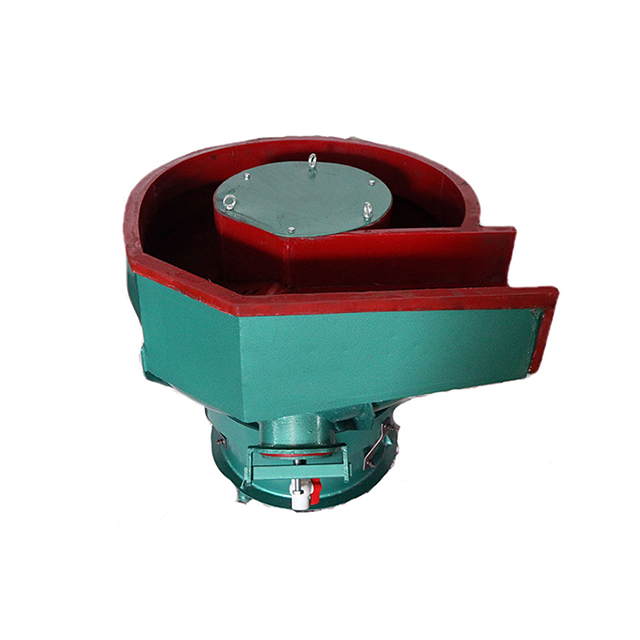
A vibratory polishing machine consists of several key components, each playing a crucial role in the polishing process. Understanding these parts will help you appreciate how they work together to achieve a flawless finish. Here are the main components:
The vibratory bowl is the heart of the machine. It holds the items being polished along with the abrasive media. The bowl's design allows it to vibrate, creating a tumbling motion that facilitates the polishing process. This motion ensures even coverage of the abrasive on all surfaces of the items.
At the core of the vibratory polishing machine is the motor, which powers the vibration mechanism. This motor generates the necessary force to create vibrations in the bowl. The intensity and frequency of these vibrations can often be adjusted, allowing users to customize the polishing process based on the materials and desired finish.
Some vibratory polishing machines include a separator, which is used to separate the polished items from the abrasive media. This component is particularly useful for larger operations, as it streamlines the process and reduces manual handling. The separator ensures that items are efficiently removed without damaging their surfaces.
The control panel provides users with the ability to adjust settings such as vibration speed and time. It often includes timers and speed controls, allowing for precise control over the polishing process. This feature is essential for achieving consistent results, especially when working with various materials.
Each part of the vibratory polishing machine plays a specific role in ensuring effective polishing. The vibratory bowl's design allows for optimal movement of both the media and the items, promoting even polishing. The motor's adjustable settings enable users to tailor the vibration intensity, which can be crucial for different materials.
The separator enhances efficiency by quickly removing polished items, minimizing downtime. Finally, the control panel allows users to monitor and adjust the process, ensuring that every batch meets quality standards.
Here’s a quick overview of how these components work together:
Component | Function |
Vibratory Bowl | Holds items and abrasive media; creates tumbling motion. |
Motor | Powers the vibration; adjustable for different needs. |
Separator | Removes polished items; improves efficiency. |
Control Panel | Adjusts settings; monitors the polishing process. |
By understanding these components and their functions, you can better appreciate how a vibratory polishing machine operates. Each part is designed to enhance the efficiency and effectiveness of the polishing process, making it a valuable tool in various industries.
Getting ready to use a vibratory polishing machine involves a few key steps to ensure it operates smoothly and safely. Proper installation and setup are crucial for achieving the best polishing results. Here are some important aspects to consider:
Selecting the right location for your machine is essential. It should be on a flat, sturdy surface that can support its weight during operation. Ideally, the area should be well-ventilated and free from dust and debris. This ensures both the cleanliness of the workspace and the longevity of the machine. Consider placing it near a power source to avoid long extension cords, which can be a tripping hazard.
Once you've chosen a location, leveling the machine is the next step. An unlevel machine can lead to uneven polishing and potential damage. Use a level tool to check that the machine sits evenly on the surface. Adjust the feet of the machine as needed to achieve a stable setup. This small step can make a big difference in performance.
After leveling, it's time to connect the power supply. Ensure the voltage matches the machine's requirements, typically indicated on a label. Use a dedicated outlet to avoid overloading circuits. Double-check all connections to ensure they are secure. This helps prevent electrical issues during operation.
Safety should always be a priority when operating machinery. Here are some essential precautions you should take:
Wearing the right personal protective equipment is crucial. At a minimum, you should have:
● Safety goggles to protect your eyes from flying debris.
● Gloves to keep your hands safe from sharp materials.
● Ear protection if the machine operates at high noise levels.
These items help ensure your safety while using the vibratory polishing machine.
Before starting the machine, conduct a few electrical safety checks. Inspect the power cord for any damage, fraying, or exposed wires. If you notice any issues, do not use the machine until repairs are made. Additionally, ensure that the outlet is grounded properly. This reduces the risk of electrical shock.
When loading materials into the vibratory polishing machine, handle them carefully. Avoid overloading the bowl, as this can lead to inefficient polishing and potential damage. Always follow the manufacturer's guidelines regarding the maximum load capacity. When working with hazardous materials, be sure to follow proper handling procedures to minimize risks.
Here’s a quick reference table summarizing safety precautions:
Safety Precaution | Details |
PPE | Goggles, gloves, ear protection |
Electrical Checks | Inspect cords, ensure proper grounding |
Material Handling | Avoid overloading, follow guidelines for capacity |
By taking these preparation steps seriously, you set the stage for a successful polishing session. Proper installation, safety measures, and attention to detail can lead to optimal results and a safer work environment.
When using a vibratory polishing machine, selecting the right materials is vital for achieving the desired finish. The choice of abrasive media and polishing compounds can significantly impact the polishing process and the final results. Here’s a closer look at how to make the best selections.
The first step in the polishing process is choosing the appropriate abrasive media. This choice depends on several factors, including the type of material being polished and the finish you want to achieve. Here are some common types of media:
1. Ceramic Media: Known for its durability, ceramic media is ideal for heavy-duty polishing tasks. It effectively removes material and provides a smooth finish on various metals.
2. Plastic Media: Lightweight and less aggressive, plastic media is perfect for delicate items or softer materials. It minimizes the risk of damage while still delivering a good polish.
3. Stainless Steel Media: This type is excellent for achieving a high luster on metal surfaces. It’s often used for polishing jewelry and other metal components.
When selecting the right media, consider the following factors:
● Material Type: Different materials respond uniquely to various media types. For instance, softer metals like aluminum may require plastic media, while harder metals benefit from ceramic options.
● Desired Finish: If you need a high-gloss finish, stainless steel media may be your best choice. Conversely, if you’re looking for a more subdued finish, ceramic or plastic may suffice.
Here’s a quick reference table to help you understand which media to use based on material and finish:
Material Type | Recommended Media | Finish Type |
Aluminum | Plastic | Satin |
Brass | Ceramic | Bright |
Stainless Steel | Stainless Steel | High Luster |
Delicate Items | Plastic | Gentle Satin |
In addition to choosing the right media, selecting the appropriate polishing compounds is equally important. These compounds enhance the polishing process and can significantly affect the final appearance.
There are various polishing liquids available, each designed for specific applications:
● Abrasive Compounds: These are used for initial polishing and material removal. They contain fine abrasives that help smooth out rough surfaces.
● Finishing Compounds: Designed for the final stages, these liquids provide a high-gloss finish. They often contain polishing agents that enhance shine without removing much material.
● Specialty Liquids: Some compounds are formulated for specific materials, such as plastics or precious metals. Using the right specialty liquid can lead to optimal results.
Matching the polishing compound to the material being polished is crucial. Using an incompatible compound can lead to poor results or even damage the items. For example, using a harsh abrasive on a soft material can scratch or mar its surface. Always consult the manufacturer’s guidelines to ensure compatibility.
Here’s a summary table of polishing compounds and their applications:
Polishing Compound | Application | Material Type |
Abrasive Compound | Initial polishing | Metals, hard plastics |
Finishing Compound | Final polishing | Metals, glass |
Specialty Liquid | Specific material polishing | Plastics, precious metals |
By carefully selecting both the abrasive media and polishing compounds, you can maximize the effectiveness of your vibratory polishing machine. This attention to detail ensures that you achieve the best possible finish on your items.
Using a vibratory polishing machine can greatly enhance the surface finish of various materials. To achieve the best results, it's essential to follow a systematic approach. This guide will walk you through the necessary steps, from setup to monitoring the polishing process.
Before you begin polishing, getting the machine ready is crucial. This involves checking and adjusting the settings to suit your specific needs.
Start by inspecting the machine for any visible damage or wear. Ensure that all components are securely attached. Next, adjust the machine settings based on the type of workpieces you’ll be polishing. This includes setting the vibration frequency and amplitude. A higher frequency typically results in a finer finish, while a lower frequency is better for more aggressive polishing.
Once the machine is set up, it’s time to add the abrasive media and polishing compounds. Here’s a simple checklist to follow:
● Select the right abrasive media based on the material type.
● Measure the appropriate amount of polishing compound.
● Mix the media and compound thoroughly to ensure even distribution.
Here’s a quick reference table for selecting media and compounds:
Material Type | Recommended Media | Polishing Compound |
Aluminum | Plastic | Mild abrasive compound |
Brass | Ceramic | Medium abrasive compound |
Stainless Steel | Stainless Steel | Fine finishing compound |
Loading items into the polishing bowl requires care to ensure optimal results. Proper arrangement allows for uniform exposure to the abrasive media, minimizing damage and ensuring a consistent finish. Larger items should be at the bottom, while smaller ones go on top to enhance media circulation and effectiveness.
When placing workpieces in the bowl, arrange them in a way that allows for maximum exposure to the abrasive media. It’s best to place larger items at the bottom and smaller ones on top. This arrangement helps in achieving an even polish across all surfaces.
Avoid overcrowding the bowl, as this can lead to uneven polishing. A good rule of thumb is to fill the bowl to about 75% of its capacity. This provides enough space for the media to circulate freely, ensuring that each piece receives adequate contact with the polishing media.
Setting the correct parameters is essential for effective polishing. Proper adjustments of vibration frequency and amplitude tailored to the material type ensure optimal contact with the abrasive media. This customization leads to better surface finishes and prevents damage, making it crucial to fine-tune these settings based on the specific needs of each workpiece.
The vibration frequency and amplitude should be tailored to the materials being polished. For example, softer metals may require a lower frequency and amplitude to prevent damage, while harder metals can withstand higher settings.
Polishing time varies based on the material type and size of the workpieces. Here’s a general guideline for different materials:
Material Type | Polishing Time (minutes) | Frequency (Hz) | Amplitude (mm) |
Aluminum | 30-45 | 60-80 | 2-3 |
Brass | 45-60 | 50-70 | 3-4 |
Stainless Steel | 60-90 | 70-90 | 4-5 |
As the polishing process unfolds, it’s important to monitor it closely. Regular observation allows you to assess the effectiveness of the polishing and identify any issues early, such as uneven finishes or excessive wear on the media. This proactive approach ensures adjustments can be made promptly for optimal results.
Many vibratory polishing machines come equipped with viewing windows. Use these to keep an eye on the progress without interrupting the cycle. This allows you to see how well the workpieces are being polished.
If you notice that some items are not polishing evenly, don’t hesitate to make adjustments. This could involve changing the media, adjusting the parameters, or redistributing the workpieces in the bowl.
To maintain consistent quality, check the polishing progress periodically. If the finish isn’t meeting your expectations, consider extending the polishing time or switching to a finer polishing compound. Regularly inspect the abrasive media as well; worn-out media may need replacing to ensure optimal performance.
By following these detailed steps, you can effectively use a vibratory polishing machine to achieve high-quality finishes on a variety of materials.
After completing the polishing process with your Vibratory Polishing Machine, it’s crucial to follow proper post-polishing procedures. This ensures that your workpieces are not only clean but also ready for their next steps in production. Here’s how to effectively manage the removal and maintenance tasks.
When it’s time to remove the polished items, safety should be your top priority. Always wear gloves to protect your hands from sharp edges or residual polishing compounds. Use tools like tweezers or pliers to gently lift the workpieces from the bowl, ensuring you don’t damage them during the process. Avoid using bare hands, as this can lead to accidents or contamination of the finished surface.
Once the items are removed, they need a thorough cleaning. Rinse each workpiece under running water to eliminate any remaining polishing media or compounds. A soft brush can help dislodge stubborn residue. This step is vital because leftover compounds can affect the appearance and functionality of the items.
Importance of Rinsing to Remove Residual Polishing Compounds:
Reason | Impact |
Prevents tarnishing | Ensures a clean, shiny finish |
Reduces contamination | Keeps surfaces free from foreign particles |
Enhances durability | Improves the lifespan of the workpieces |
Maintaining your Vibratory Polishing Machine is essential for its longevity and performance. Regular upkeep not only prevents breakdowns but also ensures consistent polishing results.
1. Inspect Components Regularly: Check for signs of wear and tear on parts like the bowl, motor, and springs. Early detection of issues can save you from costly repairs.
2. Clean the Machine: After each use, wipe down the exterior and interior of the machine to prevent contamination from polishing residues. Keeping it clean ensures that nothing interferes with future polishing processes.
Calibration is key to maintaining the effectiveness of your vibratory polishing machine. Regularly calibrating ensures that the vibration frequency and amplitude settings are accurate, which directly impacts the polishing quality. A well-calibrated machine will provide consistent results, enhancing both efficiency and product quality.
By following these post-polishing procedures and maintenance tips, you can ensure that both your workpieces and your vibratory polishing machine remain in optimal condition for future use.
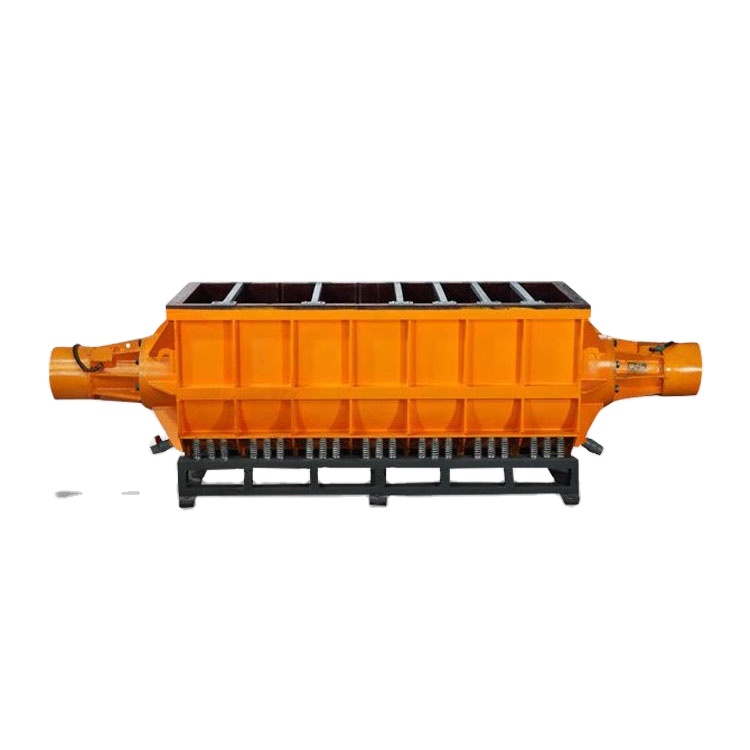
Using a Vibratory Polishing Machine can significantly enhance the finishing process, but like any equipment, it may encounter some common issues. Understanding these problems and knowing how to troubleshoot them can save you time and improve your results.
One of the most frequent issues users face is uneven polishing. This can happen for several reasons, such as improper loading of workpieces or incorrect settings. If items are not uniformly distributed in the bowl, some may receive more abrasive action than others, leading to inconsistent finishes.
If your machine is making excessive noise, it’s a sign something may be wrong. Unusual sounds can indicate loose components or worn-out parts. Regularly checking the machine for any loose screws or damaged parts can help prevent further issues.
Another common problem is media breakdown or contamination. Over time, the abrasive media can wear down, affecting its polishing efficiency. Additionally, if the media becomes contaminated with foreign particles, it can lead to poor results. Regular inspection of the media is crucial to maintain optimal performance.
When you notice problems like uneven polishing or excessive noise, adjusting the machine's settings can often help. For instance, tweaking the vibration frequency or amplitude may improve the polishing action. Experimenting with these settings based on your observations can lead to better outcomes.
If troubleshooting doesn’t resolve the issues, it may be time to consult the manufacturer or a professional technician. They can provide insights into more complex problems that may require specialized knowledge or tools. Don’t hesitate to reach out for assistance when needed.
Keeping a close eye on the condition of your abrasive media is vital. Regularly check for signs of wear or contamination. A simple inspection can prevent poor polishing results and prolong the life of both the media and your machine.
Issue | Possible Cause | Solution |
Uneven polishing | Improper loading or settings | Redistribute items and adjust settings |
Excessive noise | Loose components or worn parts | Tighten screws and replace damaged parts |
Media breakdown or contamination | Extended use or foreign particles | Replace media and ensure cleanliness |
Poor surface finish | Incorrect media type or size | Use appropriate media for specific materials |
Machine overheating | Overuse without breaks | Allow cooling periods during operation |
By being aware of these common issues and implementing effective troubleshooting strategies, you can enhance the performance of your Vibratory Polishing Machine and achieve consistently high-quality results.
A: A vibratory polishing machine can polish various materials, including metals, plastics, ceramics, and glass, making it versatile for different applications.
A: The polishing process duration varies based on material and desired finish, typically ranging from 30 minutes to several hours.
A: Yes, vibratory polishing machines can be used for delicate items, but it's essential to choose appropriate media and settings to avoid damage.
A: Vibratory polishing uses vibration to create a continuous flow of media, offering a gentler and more uniform finish compared to methods like barrel polishing.
A: Consider factors like the size of the workpieces, the materials being polished, and the desired finish when selecting a vibratory polishing machine.
A: Ensure proper disposal of polishing media and chemicals, and consider using eco-friendly media to minimize environmental impact.
A: The type, size, and composition of polishing media significantly influence the final finish, affecting factors like surface smoothness and shine.
Using a Vibratory Polishing Machine effectively enhances your finishing processes. Key points include understanding common issues, adjusting settings, and monitoring media condition.
Don’t hesitate to experiment with different materials and settings to discover optimal results.
Explore more about vibratory polishing machines to maximize your polishing efficiency and achieve superior finishes.


