- Home
- Machine
- Media
- Application
- Service
- About Us
- Blogs
- Contact Us
- All
- Product Name
- Product Keyword
- Product Model
- Product Summary
- Product Description
- Multi Field Search


Views: 0 Author: Site Editor Publish Time: 2026-01-06 Origin: Site
Magnetic Polishing Machines are changing the way products are polished, offering efficiency and high-quality finishes. These machines reduce manual effort and improve consistency, making them essential in many industries. In this article, you will learn how a Magnetic Polishing Machine works, its benefits, and how it outperforms traditional methods.
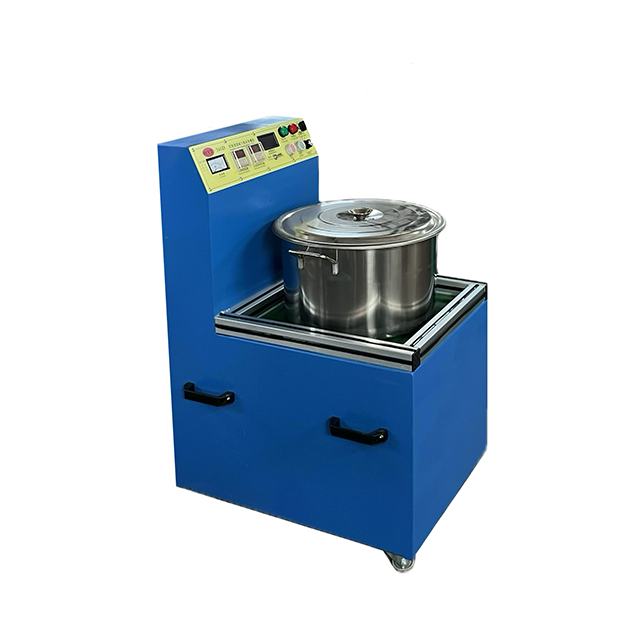
A Magnetic Polishing Machine is a device designed to polish surfaces by using magnetic fields to accelerate and control polishing media. The key components of a Magnetic Polishing Machine typically include:
Component | Function |
Magnetic Field | Generates the force that moves polishing media around the workpiece. |
Polishing Media | Small, abrasive particles or compounds that interact with the surface to achieve the finish. |
Control System | Regulates the strength of the magnetic field, speed of the polishing media, and process time. |
Workpiece Holder | Holds the material being polished in place during the process. |
Cooling System | In wet polishing models, this system helps reduce the heat generated by friction. |
These components work in harmony to create a controlled and efficient polishing process that can deliver precise and uniform finishes.
In a Magnetic Polishing Machine, the magnetic field is generated through an electromagnet or permanent magnet. This field attracts the polishing media, causing it to move rapidly around the surface of the material. The friction between the media and the workpiece leads to the removal of microscopic layers, resulting in a smoother, shinier finish.
When the polishing media moves around the surface, it removes small imperfections, such as scratches or uneven textures. The process can be fine-tuned to achieve a variety of finishes, from matte to high-gloss. The level of polish is influenced by the type of polishing media, the speed of rotation, and the duration of polishing.
Magnetic Polishing Machines come in several variations, each designed for specific tasks and materials. Some of the popular types include:
Type of Machine | Characteristics | Suitable For |
Dry Polishing Machines | Uses dry polishing media without any liquid or slurry. | Materials that tolerate friction |
Wet Polishing Machines | Uses liquid slurry with polishing media to reduce heat and enhance performance. | Metals, plastics, ceramics |
High-Precision Models | Designed for small, delicate parts with high accuracy, typically used in industries like medical or aerospace. | Precision components (e.g., medical devices, small metal parts) |
Each type of machine is suited to different polishing needs, depending on the materials and desired finish. Dry polishing machines are ideal for robust materials that can withstand friction, while wet polishing machines provide better cooling for materials prone to heat damage.
The primary function of a Magnetic Polishing Machine lies in its ability to generate and control magnetic force. The strength of the magnetic field determines how effectively the polishing media will move and polish the surface of the material. The magnetic field attracts the polishing media, causing it to rotate and vibrate rapidly around the workpiece.
The interaction between the magnetic field and the polishing media ensures that every part of the workpiece is polished evenly. The intensity of the magnetic force can be adjusted to suit different materials and finishes, which is a key advantage over traditional polishing methods.
The process of magnetic polishing is highly efficient and follows several key steps:
1. Preparation: The workpiece is carefully placed inside the polishing chamber, ensuring it is securely positioned. The appropriate polishing media—either dry or wet—is then added, depending on the type of machine and the material being polished. Wet polishing requires a liquid slurry to cool the material and reduce friction, while dry polishing relies on abrasive particles for the process. Proper preparation ensures the polishing process is smooth and efficient, reducing the risk of uneven finishes.
2. Activation: Once the workpiece and polishing media are set, the magnetic field is activated. The powerful magnetic force causes the polishing media to move rapidly around the workpiece. This movement generates friction between the media and the workpiece surface, initiating the polishing process. The speed and intensity of the magnetic field can be adjusted, allowing for fine-tuning based on the material’s hardness and the desired finish. The precise control of this activation step ensures consistent results throughout the process.
3. Polishing: During the polishing phase, the media works its way around the workpiece, grinding away microscopic imperfections, scratches, and rough areas. This results in a smoother, more uniform surface. Depending on the desired finish, the polishing process can take anywhere from a few minutes to several hours. The polishing time varies based on factors such as the material type, the intensity of the magnetic force, and the level of finish required. For more delicate components, a slower, finer polishing process may be necessary to achieve a high-gloss, flawless finish.
4. Finishing: Once the polishing is complete and the desired finish has been achieved, the machine is turned off, and the workpiece is carefully removed from the chamber. If wet polishing was used, the workpiece is then cleaned thoroughly to remove any residual slurry or polishing debris. This step ensures that no contaminants remain on the surface, leaving the workpiece spotless and ready for inspection or further processing. Proper finishing ensures the workpiece is polished to perfection, meeting the required quality standards.
Several factors influence the efficiency and effectiveness of a Magnetic Polishing Machine:
Factor | Effect on Polishing Process |
Speed | Faster speeds increase polishing efficiency but can lead to more wear on materials. |
Magnetic Power | Stronger magnetic fields lead to more powerful polishing, but may risk damaging delicate surfaces. |
Polishing Media Type | The size, hardness, and shape of the polishing media influence the finish quality. |
Duration of Polishing | Longer polishing times can achieve finer finishes, but excessive time may result in material loss. |
Understanding these factors helps operators optimize the polishing process for the best possible results.
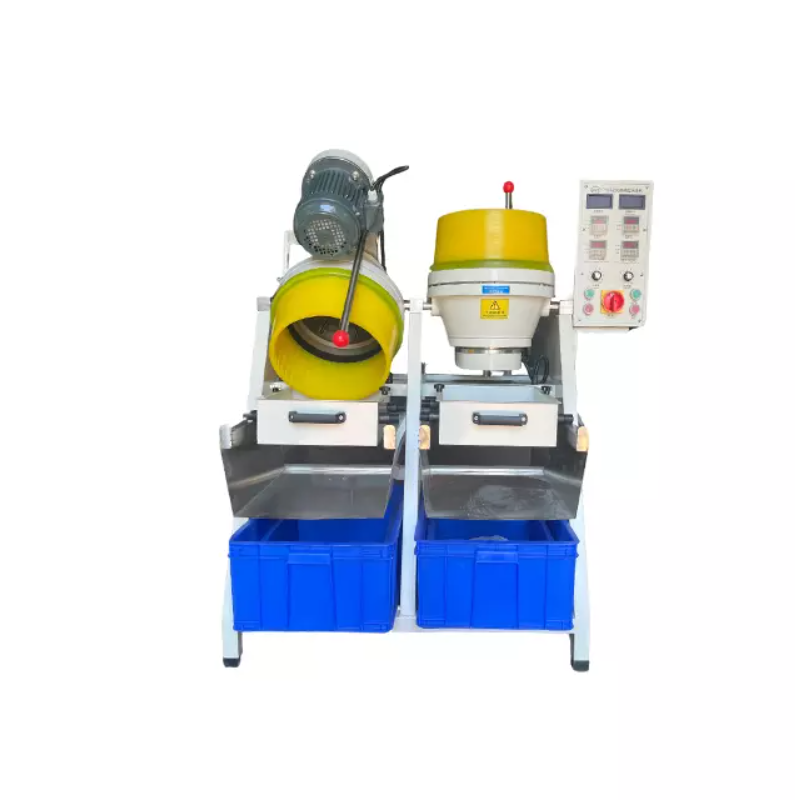
One of the primary benefits of using a Magnetic Polishing Machine is the superior surface finish it provides. Traditional polishing methods, such as hand polishing or tumbling, often result in uneven finishes or require extensive manual effort. Magnetic Polishing Machines, however, are capable of producing uniform, high-quality finishes across a wide range of materials.
Because the machine controls the polishing media's movement, the polishing is consistent, reducing the risk of human error. The result is a perfectly polished surface that can be used for aesthetic purposes or functional requirements, such as smooth edges or surfaces free from debris.
Magnetic Polishing Machines drastically reduce the time required to achieve a desired finish. Unlike manual processes that can take hours or even days, these machines can polish large batches of components in a fraction of the time. This time-saving benefit makes them especially useful in mass production environments.
For example, while a traditional manual polishing process might take 30 minutes per part, a Magnetic Polishing Machine can finish the same part in as little as 5-10 minutes, allowing for higher throughput and increased productivity.
Although investing in a Magnetic Polishing Machine involves upfront costs, the long-term savings are substantial. Reduced labor costs, higher production speeds, and improved finish consistency all contribute to cost savings over time. Additionally, these machines typically require less maintenance and have a longer operational lifespan compared to traditional equipment, further enhancing their cost-effectiveness.
Magnetic Polishing Machines are widely used across various industries that require high precision and surface quality. Some of the key industries include:
Industry | Applications |
Automotive | Polishing engine components, exhaust systems, and suspension parts for smooth finishes. |
Medical Devices | Polishing surgical tools, implants, and medical equipment where precision is critical. |
Jewelry Manufacturing | Achieving high-gloss finishes on intricate jewelry pieces, ensuring a shiny, uniform surface. |
Aerospace | Polishing aerospace components, including turbine blades and fasteners, for performance optimization. |
Electronics | Polishing connectors, housings, and small parts for enhanced electrical conductivity and appearance. |
Each of these industries benefits from the precision and efficiency that Magnetic Polishing Machines offer, making them indispensable for high-quality production.
In the automotive industry, Magnetic Polishing Machines are used to finish engine components like pistons and crankshafts. This ensures not only a smoother appearance but also enhances the longevity and performance of the parts.
In medical device manufacturing, precision is crucial. The ability to polish surgical instruments like scalpels and scissors to a flawless finish is paramount, and Magnetic Polishing Machines are highly effective in delivering this result.
Choosing the right Magnetic Polishing Machine involves evaluating several key factors:
Factor | Considerations |
Material Type | Different materials (e.g., metal, plastic, ceramics) require different polishing media and machine settings. |
Desired Finish | Decide on the level of finish required, such as matte, satin, or high-gloss. |
Production Volume | For large-scale operations, select a machine that supports batch processing. |
Budget | Ensure the machine fits within your budget while meeting performance needs. |
When choosing a Magnetic Polishing Machine, it's essential to compare models based on features such as speed, capacity, and type of control system. Here are two popular models:
Model | Features | Pros | Cons |
XYZ Magnetic Polisher | High-efficiency motor, easy-to-use control panel, durable build. | Fast, reliable, cost-effective. | May be too powerful for delicate materials. |
ABC Polishing System | Special settings for delicate materials, adjustable polishing speeds. | Great for precision work, versatile. | Higher initial investment. |
Choosing the right model is key to ensuring optimal results for your specific needs.
To keep your Magnetic Polishing Machine running smoothly, regular maintenance is necessary. Here are some routine tasks:
Task | Purpose |
Check the Magnetic Field | Ensure the magnetic components are functioning properly. |
Inspect the Polishing Media | Replace or clean the media to prevent clogging. |
Clean the Polishing Chamber | Remove any buildup that could affect performance. |
Even with regular maintenance, some issues may arise. Common problems include:
● Weak Magnetic Force: Weak magnetic force could indicate worn-out magnets, a power supply issue, or improper calibration of the machine. It’s important to regularly inspect the magnetic components to ensure they are functioning optimally. If the magnetic force is insufficient, the polishing media may not move as effectively, resulting in poor polishing results.
● Uneven Finish: An uneven finish can occur due to improper machine settings, such as incorrect speed, intensity, or exposure time. Additionally, using the wrong type or size of polishing media can lead to inconsistent results. It’s crucial to match the polishing media to the workpiece material and adjust machine settings accordingly to achieve a uniform finish.
● Clogged Polishing Media: Clogged polishing media can reduce the machine's efficiency and hinder the polishing process. Over time, polishing media can become blocked with debris or wear down, leading to poor performance. Regularly inspecting and cleaning the polishing media, or replacing it when necessary, will help maintain optimal machine function and achieve the desired results.
Magnetic Polishing Machines are a breakthrough in polishing technology, offering superior surface finishes, time savings, and long-term cost benefits. They are indispensable in industries requiring high precision, such as automotive, medical, and aerospace. Norden, a leading manufacturer of these machines, is proud to offer cutting-edge solutions designed to meet the highest industry standards. By understanding how these machines work, their applications, and how to maintain them, you can maximize their potential and optimize your production processes. For top-quality Magnetic Polishing Machines, look no further than Norden – your trusted partner in precision polishing.
Tip: When selecting a Magnetic Polishing Machine, ensure it fits your specific needs by considering factors such as material type, desired finish, and production volume. This will help ensure you achieve the best results and a good return on investment.
A: A Magnetic Polishing Machine uses magnetic fields to move polishing media, which polishes the surface of materials. It offers precise control and consistent results, making it ideal for industries requiring high-quality finishes.
A: A Magnetic Polishing Machine generates a magnetic field that moves polishing media around the workpiece, removing imperfections and creating a smooth, polished surface. It’s a highly efficient and automated process.
A: A Magnetic Polishing Machine offers superior surface finishes, reduces labor costs, and improves production efficiency. It’s ideal for polishing delicate or intricate components in industries like automotive, medical devices, and jewelry.
A: When selecting a Magnetic Polishing Machine, consider factors like the material type, desired finish, production volume, and your budget. Different machines offer varying levels of precision and speed.


