- Home
- Machine
- Media
- Application
- Service
- About Us
- Blogs
- Contact Us
- All
- Product Name
- Product Keyword
- Product Model
- Product Summary
- Product Description
- Multi Field Search


Views: 0 Author: Site Editor Publish Time: 2025-12-03 Origin: Site
Have you ever wondered how jewellery achieves its stunning shine? A Jewellery Polishing Machine plays a crucial role in this process. It not only enhances the beauty of jewellery but also ensures safety and comfort for wearers.
In this post, you’ll learn what a Jewellery Polishing Machine is, its importance in manufacturing, and insights about Huzhou Norden Machinery Factory. Get ready to discover the secrets behind beautifully polished jewellery!
A Jewellery Polishing Machine is an essential tool in the jewellery manufacturing industry. It is designed to refine and enhance the surface of jewellery pieces, giving them a brilliant finish. By using various polishing techniques, these machines remove imperfections and create a smooth, shiny surface. This process is vital for achieving the high aesthetic standards expected in fine jewellery.
In jewellery production, polishing is not just about looks; it plays a critical role in the overall quality of the finished product. Here are some key points to consider:
● Enhances Aesthetics: Polished jewellery is more visually appealing, attracting customers and increasing sales. A shiny finish can significantly boost the perceived value of a piece.
● Market Value: Well-polished items often command higher prices in the market. Consumers are willing to pay more for jewellery that looks flawless.
● Safety and Comfort: Polishing also ensures that there are no sharp edges or rough surfaces, making the jewellery safe and comfortable to wear. This is particularly important for items like rings and bracelets that come into direct contact with the skin.
Polishing is a crucial step in the jewellery-making process for several reasons:
1. Enhancing Aesthetics and Market Value: A polished surface reflects light beautifully, making the jewellery more attractive. This allure directly impacts its market value, as consumers often equate shine with quality.
2. Ensuring Safety and Comfort for Wearers: Polishing eliminates rough spots and sharp edges, reducing the risk of injury. Comfortable jewellery encourages customers to wear their pieces more often, leading to increased satisfaction and loyalty.
Huzhou Norden Machinery Factory is a leading manufacturer of jewellery polishing machines. With years of experience, they specialize in creating high-quality equipment that meets the needs of various jewellery producers.
● Expertise: The factory has a deep understanding of the polishing process, ensuring their machines are efficient and user-friendly.
● Innovative Solutions: They focus on developing machines that not only polish effectively but also incorporate eco-friendly practices. This commitment to sustainability is becoming increasingly important in today’s market.
By choosing Huzhou Norden Machinery, jewellery manufacturers can ensure they are using reliable and advanced technology to produce stunning pieces that stand out in the competitive market.
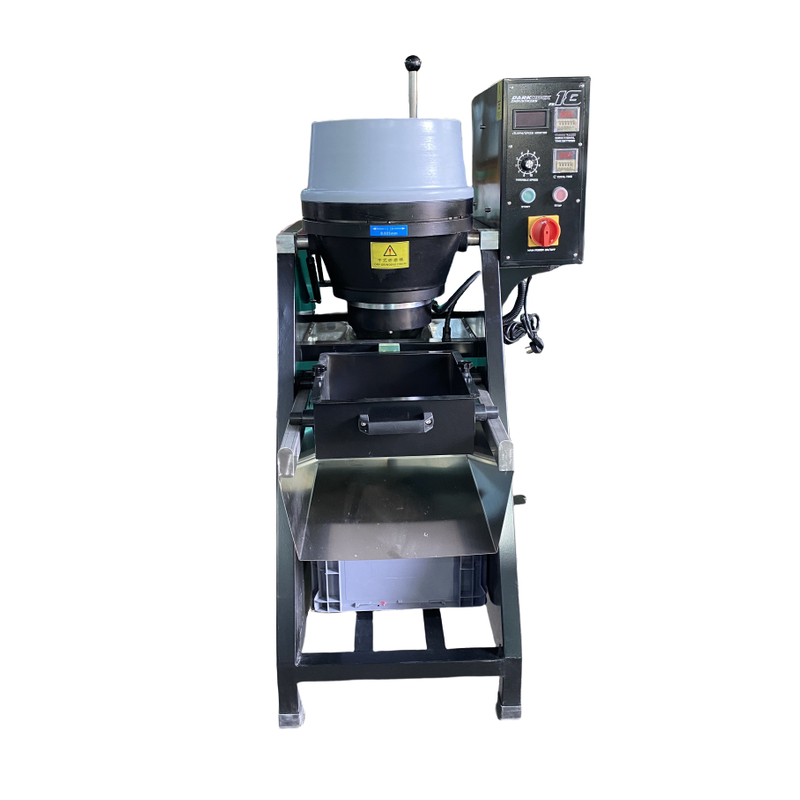
Jewellery polishing machines operate on several core principles that enhance their effectiveness. One of the most significant is the eddy flow principle. This principle involves creating a swirling motion in the polishing medium, which allows for even and thorough polishing of jewellery surfaces.
The eddy flow principle works by generating vortices in the polishing solution. These vortices carry polishing compounds to the surface of the jewellery, ensuring that every corner and crevice is reached. This method is particularly effective for intricate designs, where traditional polishing might miss spots.
In addition to the eddy flow principle, several other technical principles contribute to the efficiency of jewellery polishing machines:
● Vibration Technology: Many machines utilize vibration to enhance the polishing action. This vibration helps dislodge dirt and imperfections from the jewellery surface.
● Rotational Motion: Some models incorporate rotational motion, allowing for a more aggressive polishing effect. This is especially useful for removing scratches and achieving a high-gloss finish.
Jewellery polishing machines offer numerous performance advantages over traditional methods. Here’s a closer look at what makes them stand out:
1. Efficiency Compared to Traditional Methods: These machines can significantly reduce the time required for polishing. They can polish jewellery pieces up to 15-30 times faster than manual methods. This efficiency not only speeds up production but also improves overall output.
2. User-Friendly Design and Operability: Modern jewellery polishing machines are designed with the user in mind. They often feature intuitive controls and ergonomic designs, making them easy to operate.
3. Reducing the Learning Curve for Operators: New operators can quickly learn how to use these machines effectively. The straightforward interfaces and guided settings mean that even those with minimal experience can achieve professional results.
Feature | Traditional Methods | Jewellery Polishing Machines |
Speed of Polishing | Slower | 15-30 times faster |
User Experience | Requires skilled labor | User-friendly and intuitive |
Efficiency | Lower | Higher output and consistency |
By integrating advanced technology and user-focused design, jewellery polishing machines have transformed the way jewellery is polished, making the process faster, safer, and more efficient.
Jewellery polishing machines come in various types, each designed to meet specific polishing needs. Understanding these types can help manufacturers choose the right machine for their jewellery production process. Here’s an overview of the most common types of jewellery polishing machines:
Jewellery polishing machines can be categorized based on their mechanisms and applications. The main types include:
● Eddy Flow Type
● Magnetic Polishing Machine
● Vibratory Polishing Machine
● Centrifugal Polishing Machine
● Electrolytic Polishing Machine
The Eddy Flow Type polishing machine utilizes the eddy flow principle to achieve efficient polishing. This machine creates swirling currents in the polishing medium, allowing for thorough coverage.
Advantages:
● Effective for Small to Medium-Sized Items: It works well on both metal and non-metal jewellery, making it versatile for different materials.
● Consistent Results: The eddy flow ensures that every part of the jewellery is polished uniformly.
This type is particularly suitable for delicate pieces, where a gentle yet effective polishing action is required.
The Magnetic Polishing Machine employs magnetic forces to move polishing media around the jewellery.
Features and Benefits:
● Precision Polishing: It is excellent for hard-to-reach areas, ensuring every detail is polished without damaging the piece.
● Time-Saving: This method reduces the overall polishing time, making it efficient for intricate designs.
Ideal applications include small components and detailed pieces, where precision is crucial.
Vibratory polishing machines use vibrations to agitate the jewellery and polishing media, enhancing the polishing effect.
How It Works: The machine vibrates, causing the media to move rapidly around the jewellery, effectively removing imperfections.
Cost-Effectiveness and Versatility:
● Affordable: These machines are often more budget-friendly than others.
● Versatile Applications: They can polish various shapes and sizes, making them suitable for a wide range of jewellery types.
Machine Type | Key Features | Best For |
Eddy Flow Type | Swirling currents, uniform polishing | Small to medium-sized jewellery |
Magnetic Polishing Machine | Magnetic forces, precision polishing | Hard-to-reach areas |
Vibratory Polishing Machine | Vibrational agitation, cost-effective | Versatile applications |
Centrifugal Polishing Machine | High-speed rotation, batch processing | Large batches of medium-sized jewellery |
Electrolytic Polishing Machine | Chemical process, uniform mirror finish | Precious metals |
The Centrifugal Polishing Machine operates using high-speed rotation to achieve efficient polishing.
Mechanism and Efficiency: This machine spins the jewellery within a bowl filled with polishing media, allowing for rapid removal of surface imperfections.
It is ideal for large batches of medium-sized jewellery, providing consistent results across multiple pieces.
Lastly, the Electrolytic Polishing Machine uses an electrolytic process to polish jewellery.
Process and Outcomes: This method involves applying an electric current to dissolve surface impurities, resulting in a smooth, shiny finish.
Best for Achieving a Uniform Mirror Finish on Precious Metals: It is particularly effective for gold, silver, and platinum, providing a high-quality finish that enhances the jewellery's appearance.
To further illustrate the differences among these machines, here’s a comparative overview:
Feature | Eddy Flow Type | Magnetic Polishing | Vibratory Polishing | Centrifugal Polishing | Electrolytic Polishing |
Polishing Mechanism | Eddy currents | Magnetic forces | Vibrational motion | High-speed rotation | Electrolytic process |
Suitable for | Small to medium | Intricate designs | Various shapes | Medium-sized batches | Precious metals |
Speed of Polishing | Moderate | Fast | Moderate | Very fast | Slow |
Finish Quality | High | High | Good | Excellent | Superior |
Complexity of Operation | Simple | Moderate | Easy | Moderate | Complex |
By exploring these different types of jewellery polishing machines, manufacturers can select the right equipment to enhance their production processes and achieve superior polishing results.
Jewellery polishing machines are essential tools in the jewellery manufacturing process, ensuring that each piece is polished to perfection and meets high aesthetic standards. Understanding their key features and benefits can significantly impact production efficiency and product quality. In this section, we will delve into the efficiency and capacity of these machines, their role in quality assurance, and their eco-friendly practices, highlighting how they contribute to a sustainable jewellery industry.
One of the most significant advantages of jewellery polishing machines is their ability to enhance efficiency and capacity in production.
These machines are engineered to handle substantial volumes of jewellery while maintaining impressive processing speeds. For instance, centrifugal polishing machines can polish dozens of pieces simultaneously, drastically reducing the time needed for each cycle. This capability is particularly beneficial for manufacturers looking to scale up their operations without compromising quality.
Machine Type | Processing Speed | Batch Capacity |
Eddy Flow Type | Moderate | Small to medium batches |
Magnetic Polishing Machine | Fast | Small components |
Vibratory Polishing Machine | Moderate | Versatile, various sizes |
Centrifugal Polishing Machine | Very fast | Large batches |
Electrolytic Polishing Machine | Moderate to slow | Smaller quantities |
The efficiency of these machines not only accelerates production but also allows for flexibility in accommodating various jewellery designs and sizes. For example, a vibratory polishing machine can handle intricate shapes, making it ideal for complex pieces. This adaptability is crucial in today's fast-paced market, where consumer preferences can change rapidly.
When comparing the various types of jewellery polishing machines, it becomes evident that each type has its unique strengths tailored to specific needs. Below is a comparative overview of the different machine types based on key features:
Machine Type | Key Features | Best For |
Eddy Flow Type | Gentle polishing, uniform coverage | Delicate items |
Magnetic Polishing Machine | Precision polishing, hard-to-reach areas | Intricate designs |
Vibratory Polishing Machine | Versatile, suitable for various shapes | Complex jewellery |
Centrifugal Polishing Machine | High-speed processing, large batches | High-volume production |
Electrolytic Polishing Machine | Chemical process, uniform mirror finish | Precious metals |
This diversity allows manufacturers to select the most appropriate machine based on their production requirements, ultimately leading to enhanced productivity and quality.
Quality assurance is paramount in the jewellery industry, where the smallest imperfection can detract from a piece’s value.
Implementing stringent quality control measures is essential for maintaining high standards throughout the manufacturing process. This ensures that every piece of jewellery not only meets aesthetic expectations but also adheres to durability and safety standards. Quality control processes include monitoring the polishing process meticulously to prevent any defects that could arise from improper handling or machine malfunction.
Before commencing mass production, manufacturers often create pre-production samples. These samples undergo thorough testing and evaluation to ensure they meet the set quality benchmarks. This step is crucial as it allows manufacturers to identify any potential issues early on, enabling them to make necessary adjustments before full-scale production begins. Following this, final inspections are conducted to verify that each piece meets the established quality criteria, ensuring that only the finest products reach the market.
Inspection Stage | Purpose | Frequency |
Pre-Production Samples | Test quality before mass production | Once per new design |
Final Inspections | Ensure all pieces meet quality standards | At the end of each production run |
In-Process Checks | Monitor quality during production | Continuously throughout production |
Incorporating quality inspection across all production lines is a proactive strategy that helps catch potential issues before they escalate. By employing skilled inspectors to monitor the polishing process continuously, manufacturers can maintain consistency and uphold their reputation for quality. This approach minimizes waste and rework, ultimately resulting in a more efficient production cycle and higher customer satisfaction.
In an era where sustainability is increasingly important, jewellery polishing machines are evolving to meet eco-friendly standards.
Many manufacturers are embracing sustainable practices that aim to reduce their environmental impact. This includes optimizing energy consumption during the polishing process and implementing waste reduction strategies. For instance, recycling polishing compounds and using energy-efficient machines can significantly lower the overall carbon footprint of jewellery production.
Sustainable Practice | Description | Benefits |
Energy Optimization | Use of energy-efficient machines | Reduced operational costs |
Waste Recycling | Recycling polishing compounds | Less environmental impact |
Eco-Friendly Materials | Adoption of non-toxic polishing materials | Safer production environment |
The adoption of eco-friendly materials in polishing compounds is another critical aspect of sustainability. By utilizing non-toxic and biodegradable materials, manufacturers can minimize harmful emissions and waste, contributing to a healthier environment. This commitment to sustainability not only benefits the planet but also appeals to environmentally conscious consumers who are increasingly seeking ethically produced jewellery.
A strong commitment to reducing production pollution is essential for modern jewellery manufacturers. Many are investing in innovative technologies that lower emissions and recycle waste materials, contributing to a more sustainable industry. By prioritizing eco-friendly practices, manufacturers can enhance their brand image and appeal to a growing market of consumers who value sustainability.
Benefit | Description |
Efficiency | Faster processing times and higher capacity |
Quality Assurance | Rigorous inspections ensure high standards |
Eco-Friendliness | Sustainable practices reduce environmental impact |
By focusing on these key features, jewellery polishing machines not only enhance production efficiency but also ensure quality and sustainability in the jewellery manufacturing process. This holistic approach to jewellery production reflects a commitment to excellence, both in craftsmanship and environmental responsibility.
Selecting the right jewellery polishing machine is crucial for achieving the desired finish and efficiency in your production process. With various options available, it’s essential to consider several factors to ensure you make an informed decision.
When choosing a jewellery polishing machine, several factors come into play. Understanding these can help you align your choice with your specific needs.
The type of finish you want is a primary consideration. Different machines are designed to achieve various polishing effects:
Polishing Effect | Description | Ideal For |
Matte | Soft, non-reflective finish | Vintage or rustic designs |
Mirror | Highly reflective, shiny surface | Fine jewellery, luxury items |
Brushed | Textured finish with a subtle shine | Casual wear, modern aesthetics |
Each effect requires a different approach and machine capability, so it’s important to select one that meets your aesthetic goals.
Budget constraints are often a significant factor in decision-making. Jewellery polishing machines vary widely in price, influenced by their features, size, and capabilities.
Price Range | Features | Target Users |
$500 - $1,500 | Basic models, suitable for small operations | Hobbyists, small businesses |
$1,500 - $5,000 | Mid-range machines, versatile applications | Medium-sized enterprises |
$5,000+ | Industrial-grade machines with advanced features | Large manufacturers, high-volume production |
Investing wisely in a machine that fits your budget while meeting production needs is essential for long-term success.
The choice between industrial-grade machines and small desktop models depends on your production scale.
● Industrial-Grade Models: These are designed for high-volume production, capable of handling large batches efficiently. They often come with advanced features for precise control over the polishing process.
● Small Desktop Models: Ideal for small-scale operations or hobbyists, these machines are compact and easier to manage, though they may not offer the same level of performance as their industrial counterparts.
Another important aspect to consider is the Minimum Order Quantity (MOQ) set by suppliers. Some manufacturers may require a minimum purchase, which can affect your ability to acquire the right machine based on your current needs. It’s advisable to discuss MOQs upfront to ensure they align with your production goals.
Warranties and maintenance options are essential considerations when investing in a jewellery polishing machine. A good warranty can provide peace of mind, protecting your investment against defects and malfunctions. Additionally, inquire about maintenance services offered by the manufacturer. Regular maintenance ensures the longevity of the machine and consistent performance over time.
Jewellery polishing machines are not limited to just jewellery production; they have a wide range of applications across various industries.
Several sectors can benefit from the use of jewellery polishing machines, including:
● Machinery: Polishing parts to ensure smooth operation and aesthetic appeal.
● Electronics: Finishing electronic components for better performance and appearance.
● Aerospace: Polishing aircraft components for safety and efficiency.
In the realm of jewellery production, polishing machines serve multiple purposes:
● Handicrafts: Artisans use these machines to achieve intricate finishes on handmade jewellery.
● Daily Hardware: Machines are used to polish everyday items like belt buckles, watches, and accessories, enhancing their appeal.
Application | Industry Examples | Benefits |
Machinery | Automotive, industrial equipment | Improved performance and durability |
Electronics | Consumer gadgets, circuit boards | Enhanced functionality and aesthetics |
Aerospace | Aircraft parts, components | Safety, efficiency, and appearance |
Jewellery Production | Handcrafted items, mass-produced pieces | Consistent quality and reduced labor |
Understanding these applications can help you identify the right machine for your specific needs, ensuring you achieve the best results in your polishing processes.
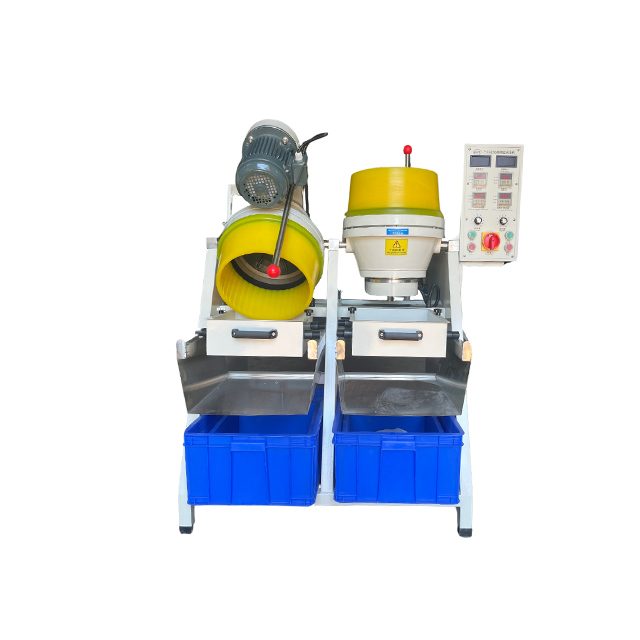
The jewellery polishing industry is evolving rapidly, driven by advancements in technology and changing consumer demands. Understanding current trends and future directions can help manufacturers stay competitive and meet market expectations.
Several key trends are shaping the jewellery polishing landscape today. These trends reflect a shift towards greater efficiency and sustainability in production processes.
Precision has become a top priority for jewellery manufacturers. Customers expect flawless finishes, and this demand drives the need for machines that can deliver consistent results. Advanced polishing machines now incorporate features like programmable settings and automated controls, allowing for precise adjustments based on the specific requirements of each piece.
Trend | Description | Impact on Industry |
Precision Polishing | Machines with programmable settings | Higher quality and consistency |
Customization | Tailored polishing processes for unique designs | Enhanced customer satisfaction |
This focus on precision not only improves the quality of the jewellery but also reduces waste, as fewer pieces are discarded due to imperfections.
Sustainability is at the forefront of many industries, and jewellery polishing is no exception. Manufacturers are increasingly adopting eco-friendly technologies to minimize their environmental footprint. This includes using biodegradable polishing compounds and energy-efficient machines that consume less power.
Eco-Friendly Practice | Description | Benefits |
Biodegradable Compounds | Non-toxic materials for polishing | Reduced environmental impact |
Energy-Efficient Machines | Lower energy consumption during operation | Cost savings and sustainability |
By embracing these practices, companies not only comply with regulations but also appeal to environmentally conscious consumers.
Looking ahead, the jewellery polishing industry is poised for further innovations that will enhance efficiency and quality.
The design and functionality of jewellery polishing machines are evolving. Manufacturers are focusing on creating machines that are not only more efficient but also user-friendly. Features like touchscreen interfaces and automated maintenance alerts are becoming standard, making it easier for operators to manage the polishing process.
Innovation | Description | Potential Benefits |
Touchscreen Controls | Intuitive interfaces for easier operation | Reduced training time for operators |
Automated Maintenance | Alerts for regular upkeep | Increased machine longevity |
These innovations ensure that polishing machines can adapt to the needs of modern jewellery production.
Technology plays a crucial role in enhancing polishing processes. The integration of artificial intelligence (AI) and machine learning is revolutionizing how polishing machines operate. These technologies can analyze data from previous polishing cycles to optimize settings for future jobs, resulting in improved efficiency and reduced cycle times.
● AI-Driven Adjustments: Machines can learn from past performance, making real-time adjustments to achieve the perfect finish.
● Data Analytics: Monitoring systems collect data on polishing effectiveness, helping manufacturers identify areas for improvement.
Technology | Application | Benefits |
AI Integration | Real-time adjustments for optimal results | Enhanced efficiency and quality |
Data Monitoring | Analysis of polishing cycles | Continuous improvement in processes |
As these technologies become more prevalent, we can expect significant advancements in the capabilities of jewellery polishing machines, ultimately leading to better products and more satisfied customers.
A: Jewellery polishing machines are widely used in jewellery production, including handicrafts and mass-produced items, enhancing finishes for aesthetic appeal.
A: Regular maintenance includes cleaning, lubrication, and checking for wear. Following the manufacturer's guidelines ensures optimal performance.
A: The cost varies significantly, ranging from $500 for basic models to over $5,000 for industrial-grade machines.
A: Machines offer consistency, speed, and efficiency, while manual polishing can be labor-intensive and less uniform.
A: Yes, operators should wear protective gear and follow safety protocols to prevent accidents and injuries.
A: Huzhou Norden offers comprehensive after-sales support, including technical assistance and maintenance services to ensure machine longevity.
Jewellery polishing machines play a vital role in the jewellery industry. They enhance the quality and finish of various pieces. Investing in high-quality machines leads to better results and increased customer satisfaction.
Explore the different options available for jewellery polishing machines. Find the right fit for your needs and elevate your production process today.


