- Home
- Machine
- Media
- Application
- Service
- About Us
- Blogs
- Contact Us
- All
- Product Name
- Product Keyword
- Product Model
- Product Summary
- Product Description
- Multi Field Search


Views: 0 Author: Site Editor Publish Time: 2026-01-01 Origin: Site
Magnetic polishing machines have revolutionized the way industries polish metal and other materials. These machines use electromagnetic forces to deliver efficient and precise finishes. In this article, we will explore what a Magnetic Polishing Machine is, how it works, and why it is crucial in industries like automotive, aerospace, and jewelry. You will learn about the benefits of using this technology and how it can improve your production process.
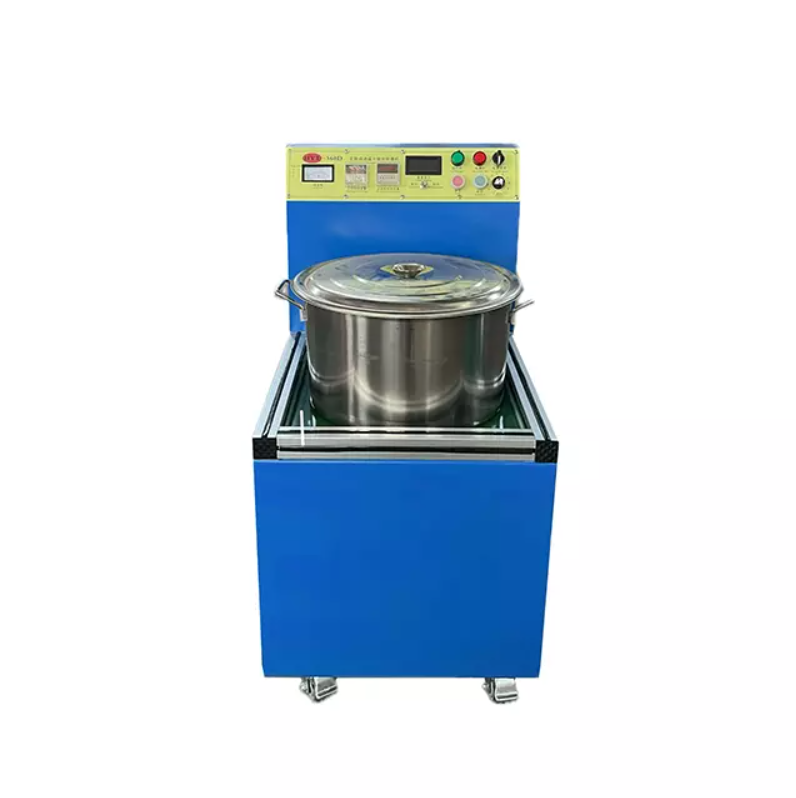
A magnetic polishing machine uses magnetic fields to generate movement in abrasive media, which then polishes the surface of materials like metals, plastics, ceramics, and more. The primary function of these machines is to create smooth, uniform finishes on parts, particularly those with intricate shapes or small dimensions. These machines are highly effective for deburring, polishing, and surface finishing, often used in high-precision industries.
The main process involves placing the workpiece and abrasive media into a rotating drum. Magnets inside the drum generate a magnetic field that causes the abrasive media to agitate and rub against the surface of the workpiece. The abrasive media typically consists of fine particles like ceramic or steel shot, and its purpose is to gradually remove rough edges and imperfections, leaving the material smooth and polished.
The effectiveness of a magnetic polishing machine relies heavily on its key components. Below is a breakdown of each part and its function:
Component | Description |
Polishing Drum | The central chamber where the polishing process occurs. It rotates to mix the abrasive media with workpieces. |
Magnets | Generate the magnetic field that causes the media to agitate, leading to surface polishing. |
Abrasive Media | The small particles used for polishing. These can be steel shot, ceramic beads, or other abrasives depending on the material of the workpiece. |
Drive Mechanism | Powers the rotation of the polishing drum, ensuring that the abrasive media moves effectively. |
Control Panel | Allows the operator to control settings such as speed, time, and intensity to customize the polishing process. |
The coordination of these components enables precise polishing while ensuring that workpieces are uniformly finished.
Magnetic polishing machines come in different types, each suited for specific tasks and workpiece materials. The selection of a particular machine often depends on the nature of the material being polished, the size of the workpieces, and the desired finish.
Machine Type | Features | Applications |
Rotary Magnetic Polishing Machines | Rotates the polishing drum while magnets agitate the media. | High-volume polishing, large and medium-sized parts. |
Vibratory Magnetic Polishing Machines | Uses vibrating motion to agitate the polishing media. | Delicate parts, smaller workpieces. |
Centrifugal Magnetic Polishing Machines | Uses centrifugal force to generate aggressive polishing action. | Hard-to-polish materials, parts requiring more aggressive finishes. |
Horizontal Magnetic Polishing Machines | Provides horizontal movement of media to polish workpieces. | Polishing a mix of flat and curved parts with high throughput. |
Each type of machine has its own set of advantages and is chosen based on specific manufacturing needs. Rotary machines are often favored in mass production, while centrifugal machines are ideal for parts that require precision.
The working mechanism of a magnetic polishing machine is quite simple. The magnetic field generated by the magnets inside the machine causes the abrasive media to agitate. When the workpieces are placed in the polishing drum, the rotating magnetic field causes the media to swirl around the pieces. As the media rubs against the surface of the workpieces, it gradually removes rough edges and imperfections, polishing the material in the process.
Step | Description |
Step 1 | The workpieces and abrasive media are placed into the polishing drum. |
Step 2 | The magnets create a magnetic field, causing the abrasive media to move. |
Step 3 | The abrasive media agitates the workpieces, polishing the surfaces gradually. |
Step 4 | The workpieces are removed once the desired finish is achieved. |
This process is automated, allowing the machine to complete multiple parts simultaneously with minimal supervision.
Magnetic force plays a critical role in ensuring the efficiency and effectiveness of the polishing process. The magnetic field generated by the machine moves the abrasive media uniformly around the workpieces, ensuring that all areas of the part are polished evenly. This precise agitation eliminates inconsistencies, reducing the chance of missed spots, which is common in manual or non-automated polishing methods.
Benefit | Description |
Uniform Agitation | The magnetic field ensures that abrasive media moves evenly across all surfaces. |
Consistent Finish | Magnetic forces eliminate the risk of uneven polishing. |
Time-Saving | The controlled movement reduces the time required to achieve a polished surface. |
The key advantage of magnetic force is the control it offers. It can move and agitate the abrasive media consistently, allowing the machine to polish even complex shapes effectively.
Magnetic polishing machines offer several advantages over traditional polishing techniques such as hand polishing or mechanical methods. Below is a comparison of these methods:
Feature | Magnetic Polishing | Traditional Polishing |
Speed | Faster, automated process. | Time-consuming and labor-intensive. |
Consistency | High consistency with even finishes. | Variability in results, dependent on the skill of the operator. |
Labor Cost | Low, requires minimal human involvement. | High, requires manual effort. |
Material Waste | Lower waste due to efficient use of abrasives. | Higher material waste from manual errors. |
Surface Quality | Excellent finish with no scratches or defects. | Prone to human error, which can lead to inconsistent results. |
While traditional polishing methods can still be useful, magnetic polishing is significantly more efficient and consistent, making it the preferred choice for mass production and high-precision industries.
Magnetic polishing machines are indispensable in the manufacturing and metalworking industries. They are used to smooth and polish metal parts, such as gears, turbines, and brackets, by removing burrs, sharp edges, and surface imperfections. This process is critical for ensuring that metal parts function correctly and safely, especially in industries where precision and durability are crucial.
Metal Part | Application |
Engine Components | Polishing for smooth surfaces that reduce friction. |
Turbines | Removing burrs for better performance and durability. |
Brackets | Ensuring smooth finishes for secure, precise fitting. |
Magnetic polishing reduces manual labor, speeds up production time, and ensures a high-quality finish for every part.
The jewelry industry benefits greatly from the use of magnetic polishing machines. These machines allow jewelers to polish intricate designs without damaging delicate items. Whether it's polishing fine rings, bracelets, or necklaces, magnetic polishing ensures a smooth and shiny finish that enhances the visual appeal of the jewelry.
Jewelry Item | Application |
Rings | Polishing intricate designs without damaging stones. |
Necklaces | Ensuring a flawless finish on curved or delicate surfaces. |
Bracelets | Achieving high-quality sheen on both large and small parts. |
The machine’s ability to handle delicate parts with precision makes it an ideal tool in the jewelry sector.
In the automotive and aerospace industries, components need to be polished to exacting standards to ensure both functionality and safety. Magnetic polishing machines are used to polish parts such as engine components, turbines, and aerospace parts. These machines offer precision, ensuring that parts like metal gears, nozzles, and other engine components are polished to smooth, defect-free surfaces, which are essential for performance and longevity.
Industry | Application |
Automotive | Polishing metal components such as engine blocks and pistons. |
Aerospace | Ensuring high-precision finishes on aircraft components. |
Polishing these components with magnetic polishing machines guarantees that the parts are free from burrs or imperfections that might affect their function.
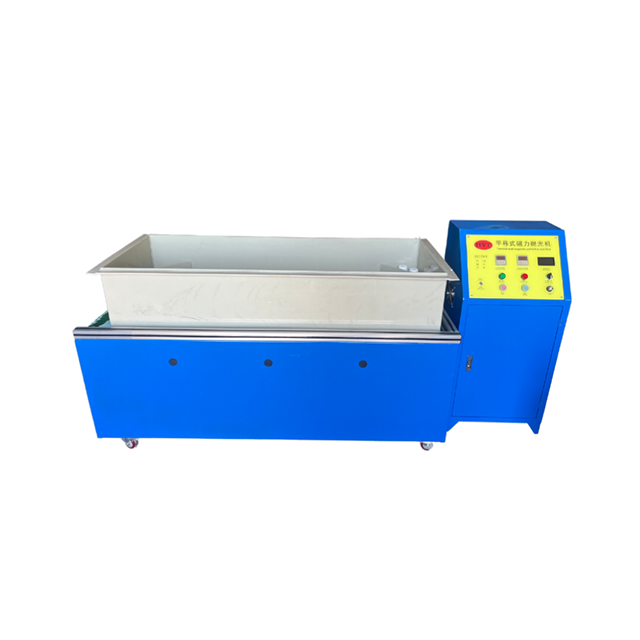
Magnetic polishing machines are designed to work efficiently, saving time and reducing the need for manual labor. With the ability to process multiple parts at once, these machines can handle large production volumes without compromising the quality of the finish. The consistency of the results is another significant benefit. Magnetic fields ensure that each workpiece is polished in the same manner, providing an even finish every time.
Benefit | Description |
Faster Production | Process multiple parts at once, reducing overall cycle times. |
Uniform Finishing | Ensures all parts receive the same treatment, minimizing defects. |
Magnetic polishing machines are more environmentally friendly than traditional methods. They use less abrasive material, resulting in less waste, and many modern machines use non-toxic, biodegradable media. Additionally, since these machines require less manual effort, they reduce the amount of energy consumed by human resources.
Environmental Benefit | Description |
Less Abrasive Waste | Magnetic polishing uses fewer abrasives, minimizing waste. |
Non-toxic Media | Use of eco-friendly, biodegradable polishing media. |
While the initial investment in a magnetic polishing machine may seem high, the long-term savings are significant. These machines reduce labor costs, improve production speeds, and minimize material waste. Over time, this makes magnetic polishing a cost-effective solution for businesses that require large-scale polishing operations.
Cost Benefit | Description |
Reduced Labor Costs | Minimal manual intervention is needed, lowering workforce costs. |
Less Material Waste | Efficient use of abrasives reduces the need for replacements. |
When selecting a magnetic polishing machine, several factors need to be considered to ensure that it is suitable for your specific application. Key considerations include:
Factor | Considerations |
Workpiece Size | Ensure the machine can handle the size of your parts. |
Power Requirements | Choose a machine with the appropriate motor power for your workload. |
Media Compatibility | Ensure compatibility with the specific abrasive media needed. |
Budget | Choose a machine that fits your budget while offering necessary features. |
Some of the leading brands in the magnetic polishing machine market include:
Brand | Popular Models | Features |
Deburring Machines Inc. | Rotary and Vibratory Magnetic Machines | High-efficiency models for large parts. |
Rösler | Centrifugal Polishing Machines | High-precision machines for delicate parts. |
Tumbling Machines Co. | Rotary and Tumbling Machines | Cost-effective models for small-scale operations. |
If not properly set up, magnetic polishing machines can cause surface damage. This often occurs when abrasive media is too harsh for the material being polished. To avoid this, it’s important to carefully choose the correct abrasive media for the workpiece.
Challenge | Solution |
Surface Damage | Choose the correct media and adjust settings. |
Regular maintenance ensures the longevity of a magnetic polishing machine. It is essential to clean the machine and inspect its components regularly.
Maintenance Task | Description |
Media Inspection | Regularly check and replace worn abrasive media. |
Magnet Strength Check | Ensure that magnets are functioning optimally. |
Drum Cleaning | Keep the polishing drum clean to avoid contamination. |
Magnetic polishing machines are an essential tool in modern industries, offering numerous benefits such as speed, consistency, and cost-effectiveness. From automotive manufacturing to jewelry production, these machines provide high-quality finishes and improve production efficiency. Norden's magnetic polishing machine, in particular, offers a unique and highly effective solution for metal polishing. Using the power of magnetic forces, it delivers precision finishes for small to medium-sized metal parts, making it an ideal choice for applications like jewelry polishing, watch case polishing, and other fine metal works. The magnetic field ensures uniform polishing, enhancing surface quality for a smooth, high-gloss finish. As more industries look for automated solutions, magnetic polishing machines provide a compelling option for businesses aiming to streamline operations while maintaining high standards. Whether you're polishing delicate jewelry or heavy-duty automotive components, investing in a magnetic polishing machine from Norden can transform your production process, providing a more environmentally friendly, cost-effective, and efficient solution.
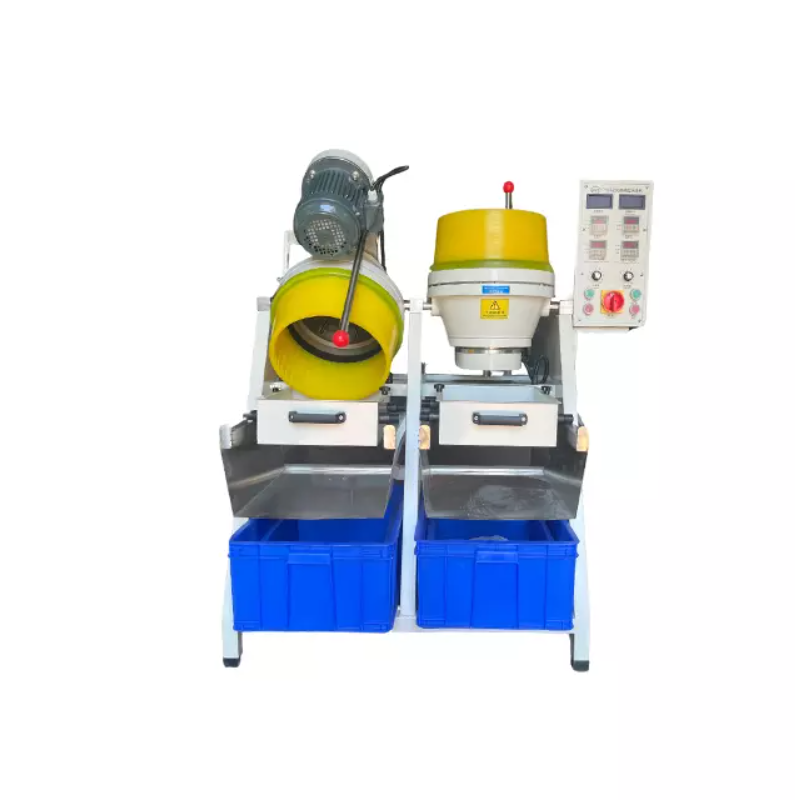
A: A Magnetic Polishing Machine uses magnetic fields to move abrasive media and polish the surface of materials like metal, plastic, and ceramics. It provides a faster and more consistent finish compared to traditional polishing methods.
A: The Magnetic Polishing Machine generates a magnetic field that agitates the abrasive media inside a rotating drum, rubbing against the workpiece and smoothing its surface. This results in an even and polished finish.
A: A Magnetic Polishing Machine offers benefits such as faster processing time, higher consistency in surface finishes, and reduced labor costs. It's ideal for high-precision industries like automotive and jewelry.
A: Yes, a Magnetic Polishing Machine can be used on various materials such as metals, plastics, and ceramics, depending on the type of abrasive media used and the specific machine design.


