- Home
- Machine
- Media
- Application
- Service
- About Us
- Blogs
- Contact Us
- All
- Product Name
- Product Keyword
- Product Model
- Product Summary
- Product Description
- Multi Field Search


Views: 0 Author: Site Editor Publish Time: 2026-02-03 Origin: Site
Centrifugal dryer machines play a crucial role in industries that require rapid moisture removal. By utilizing centrifugal force, they efficiently dry materials like plastic pellets, metal parts, and textiles. These machines use high-speed rotation to separate moisture from solids, ensuring the materials are dry and ready for further processing. In this article, we will explore how to use centrifugal dryer machines, their applications, key benefits, and best practices for optimal performance.
A centrifugal dryer machine is an industrial device that utilizes centrifugal force to expel moisture from wet materials. The machine consists of a rotating drum, often referred to as a basket, that spins at high speeds. When wet materials are placed inside, centrifugal force pushes the water through the perforations of the drum, leaving the solid materials inside relatively dry. Unlike conventional drying methods that rely on heat, centrifugal dryers offer rapid moisture removal without subjecting materials to high temperatures, making them ideal for heat-sensitive components.
These machines are designed to handle bulk materials and provide high throughput, which is especially useful in industries like plastic recycling, metal finishing, and food processing. Their efficiency in separating liquids from solids makes them a key component in many production lines.
Centrifugal drying works by using the principle of centrifugal force. When a wet material is placed in the rotating drum, the drum spins rapidly. This spinning action forces the water or liquid out of the material, pushing it against the walls of the drum. The water then exits through small perforations in the drum, while the solid material remains inside. The drying process typically takes only a few minutes, significantly faster than conventional drying methods.
Materials are first loaded into the basket, and the machine is sealed. Once the machine starts spinning, the force generated by the rapid rotation pulls moisture from the material and expels it through the perforated drum. This method is effective for a wide variety of materials, including plastics, metals, and textiles.
Centrifugal dryers come in several types, each suited for specific applications:
| Type | Application | Technical Specifications | Suitable Scenarios | Considerations |
|---|---|---|---|---|
| Basket Centrifuge | Batch operations, ideal for small-scale production | Speed: 500-3000 RPM Max Load: 50-500 kg Drying Time: 1-10 minutes | Small batch, periodic drying | Suitable for non-continuous production, requires periodic unloading; Load must be evenly distributed to avoid vibration |
| Decanter Centrifuge | Continuous operation, high-volume drying | Speed: 1000-3500 RPM Max Load: 1000-3000 kg/h Drying Time: 30 seconds to 3 minutes | Large-scale production lines, processing large amounts of wet materials | Ideal for high moisture, high-flow materials; Regular maintenance of drainage system to ensure smooth operation |
| Disc Stack Centrifuge | Separating fine solids from liquids, used in chemical production | Speed: 1500-4500 RPM Filtration Accuracy: 5-100 microns Max Load: 500-1000 kg/h | Fine chemicals, precise separation | Requires high precision filtration, Materials should be pre-processed to avoid clogging with large particles |
Tip: When selecting a centrifugal dryer, ensure the choice matches your production scale, material type, and desired drying effect for optimal performance.
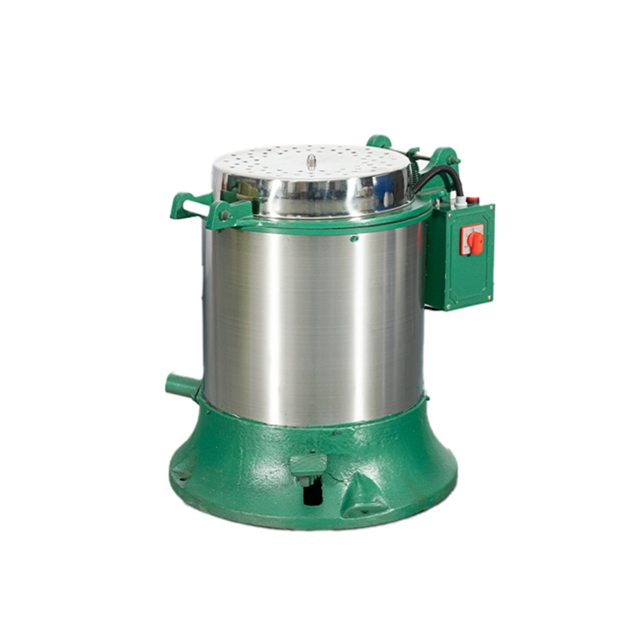
Before starting the centrifugal dryer, it is essential to ensure the machine is properly set up. Begin by checking the key components, such as the motor, drum, and drainage system, to ensure they are in good working order. Balancing the load is also critical—uneven loading can cause the machine to vibrate excessively, which may lead to damage or ineffective drying. Ensure that the basket is not overloaded and that the materials are distributed evenly inside to prevent this issue.
Once the machine is ready, carefully load the wet materials into the spinning basket. It’s important to avoid overloading the machine, as this can reduce its efficiency and potentially cause operational issues. For batch-style dryers, ensure that the material is evenly distributed to avoid uneven drying. For continuous dryers, the material should be fed steadily into the machine to maintain consistent drying results. If the material is clumped together, break it up to allow for better airflow and moisture extraction.
Next, adjust the settings on the machine based on the material type and moisture level. The most important parameters to adjust are the speed (RPM) and the drying time. The speed should be set according to the material's characteristics—delicate items may require slower speeds, while tougher materials may benefit from higher RPMs. Some machines also feature an optional heating element, which can be activated if additional drying is necessary after the mechanical dewatering. Always ensure that the settings are appropriate to avoid damaging the material.
Once the machine is set up, start the drying cycle. The motor will begin spinning the basket, and centrifugal force will expel moisture from the material. Throughout the cycle, it’s important to monitor the drainage system to ensure that water is being effectively removed. Some dryers feature a built-in system for collecting and discharging the moisture, while others may require manual intervention. Pay close attention to the time and speed settings to ensure that the materials are not over- or under-dried.
When the cycle completes, wait for the machine to stop spinning before opening the lid. It is essential to let the basket come to a complete stop before unloading the materials to ensure safety. After opening the lid, remove the dried material from the basket. If the dryer is equipped with an automatic discharge system, the dried material will be removed automatically into a collection bin. Always check the materials for dryness before moving to the next stage of processing.
In plastic recycling, centrifugal dryers are used to remove moisture from plastic flakes, pellets, and regrinds. The moisture content of these materials can hinder subsequent processing steps such as extrusion or pelletizing. By using a centrifugal dryer, moisture levels are reduced to an acceptable level, improving the efficiency of these downstream processes. This method is particularly effective for rapidly drying plastic materials without causing any thermal damage. The table below highlights the technical requirements, moisture control, and other essential factors to consider when using centrifugal dryers in plastic recycling.
| Parameter | Plastic Pellet Type | Moisture Content | Drying Speed | Key Considerations | Drying Efficiency |
|---|---|---|---|---|---|
| HDPE Pellets | High-density polyethylene | Moisture < 2% | 2-4 minutes | Ensure uniform loading to prevent overheating | 90-95% efficient |
| PET Flakes | Polyethylene terephthalate (regrinds) | Moisture < 1% | 3-5 minutes | Use heated air option for faster drying | 95% efficient |
| PP Pellets | Polypropylene | Moisture < 3% | 1-3 minutes | Adjust RPM for delicate or irregular pellet sizes | 85-90% efficient |
Centrifugal dryers play a key role in metal finishing operations, where they are used to dry metal parts after cleaning or rinsing. For example, in electroplating or anodizing, it’s crucial that the metal parts are completely dry before moving on to the next step. By using centrifugal dryers, manufacturers can prevent rust, oxidation, and surface defects that may occur if moisture remains on the parts.
In food processing, centrifugal dryers are used to dry fruits, vegetables, grains, and other food items. These machines are designed with hygiene in mind, often made from stainless steel to prevent contamination. The high-speed drying process is gentle on food materials, preserving their texture and quality while ensuring that excess moisture is removed quickly. Food-grade centrifugal dryers ensure a safe and efficient drying process in compliance with industry standards.
Centrifugal dryers are also essential in the pharmaceutical and chemical industries, where they are used to dry active pharmaceutical ingredients (APIs) and chemical products. These industries require moisture control to prevent degradation and ensure product quality. Centrifugal dryers provide a fast and efficient way to remove excess moisture without affecting the integrity of the delicate materials.
Centrifugal dryers excel at rapid moisture removal, typically drying materials within 1-5 minutes, depending on their moisture content and material type. This significantly reduces production time compared to air drying, which can take several hours. The fast drying speeds help improve overall throughput and keep production lines moving efficiently. Additionally, faster drying times reduce the risk of material contamination or degradation during lengthy drying cycles, ensuring a consistent and high-quality output in shorter periods.
Centrifugal dryers are more energy-efficient than thermal drying methods, such as ovens or heated air systems. By using mechanical force instead of heat to expel moisture, these dryers minimize energy consumption, leading to cost savings in high-volume operations. For example, while traditional dryers rely on continuous heat generation, centrifugal dryers utilize electrical energy only for motor operation, reducing the need for heating elements and significantly lowering overall energy expenditure, especially during continuous drying cycles.
The rapid and effective moisture removal in centrifugal dryers ensures that materials retain their integrity and appearance. Traditional drying methods can leave water spots or cause oxidation, especially on metals and plastics. In contrast, centrifugal dryers prevent these issues by using centrifugal force to uniformly expel moisture, thereby reducing the risk of defects such as rust, discoloration, and material warping. This quality control is especially crucial in industries like food processing and metal plating, where product aesthetics and integrity are paramount.
Centrifugal dryers' compact design is ideal for facilities with limited space. Their smaller footprint allows them to fit into tighter production lines without compromising their capacity to handle large volumes. Despite their space-saving design, these machines are highly efficient, capable of processing high amounts of material in a short time. This makes them a great choice for businesses looking to optimize both space and production efficiency. The reduced space requirement also helps streamline workflow, reducing operational bottlenecks and improving overall facility organization.
Choosing the right centrifugal dryer involves understanding the material being dried. Different materials have different moisture retention properties and drying requirements. For example, plastics may require faster drying speeds to prevent heat degradation, while metals may need slower drying to avoid surface damage. Understanding these needs helps ensure that the machine is selected for optimal performance.
| Material Type | Required Speed (RPM) | Recommended Capacity | Moisture Level Before Drying | Drying Time | Drying Method |
|---|---|---|---|---|---|
| Plastic Pellets | 800–1500 RPM | 100–200 kg per cycle | 5–10% moisture content | 2–4 minutes | Mechanical Force |
| Metal Parts | 1000–2000 RPM | 200–500 kg per cycle | 10–20% moisture content | 3–6 minutes | Mechanical Force + Heat (if applicable) |
| Textiles/Fabrics | 500–1000 RPM | 50–100 kg per cycle | 15–25% moisture content | 2–5 minutes | Mechanical Force + Heat |
The drying speed (RPM) and capacity of a centrifugal dryer play a critical role in its efficiency. For materials with high moisture retention, higher speeds (3,000 RPM and above) are necessary to ensure effective moisture removal. For more delicate materials, slower speeds (around 1,200-2,500 RPM) should be used to avoid damage. The dryer’s capacity should also be aligned with production goals; overloading can reduce drying efficiency and lead to longer cycles. Matching the capacity with material type and production volume ensures optimal performance and energy efficiency.
Safety features like secure lids, safety interlocks, and vibration dampeners are critical for preventing accidents and ensuring machine longevity. Interlocks prevent the machine from operating when the lid is open, avoiding injuries. For maintenance, regular lubrication of moving parts and cleaning of the drum and screens are necessary to ensure smooth operation. Machines with self-cleaning features, vibration monitoring systems, and easily replaceable parts can reduce downtime and improve overall efficiency. Proper safety checks, like verifying that all protective features are functional, should be done before each cycle.
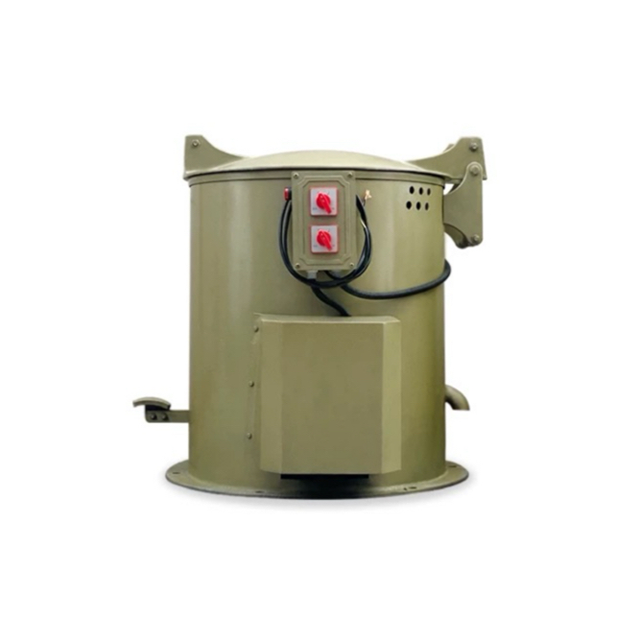
Excessive vibration in a centrifugal dryer can indicate an imbalance in the load or mechanical issues. When the load is uneven, it can cause uneven distribution of centrifugal forces, leading to vibrations. This can put additional strain on the machine, potentially damaging the motor or bearings. To prevent this, always ensure materials are evenly distributed in the basket before starting the cycle. If vibrations persist, check the suspension system and bearings for wear. Furthermore, it’s advisable to periodically calibrate the machine and use balancing weights for materials prone to clumping, ensuring smoother operation.
High residual moisture after the drying cycle suggests inefficiencies in the drying process. Common causes include clogged screens, incorrect RPM settings, or overloading. Clogged perforations in the basket can hinder the effective expulsion of moisture, especially for fine materials. To resolve this, regularly clean the screen and inspect it for damage. Additionally, adjusting the RPM based on material characteristics can enhance moisture removal. Some materials, such as plastics, may need higher speeds to expel water effectively, while fragile materials require slower speeds to avoid damage.
Overheating in centrifugal dryers is typically caused by excessive start-stop cycles or blocked ventilation. The motor generates significant heat during operation, and inadequate cooling can lead to overheating. It's important to allow the machine to cool down between cycles, especially in high-volume operations. Ensure that the cooling vents are clear of dust or debris, and that the motor’s lubrication is maintained according to the manufacturer’s specifications. Overheating can also be mitigated by adjusting the duty cycle and ensuring the dryer is not running beyond its optimal load capacity, which can reduce the strain on the motor.
Centrifugal dryers are essential in industries that require rapid and efficient moisture removal. These machines offer significant advantages, including fast drying times, energy efficiency, and the ability to maintain product quality. By selecting the right centrifugal dryer for specific materials and maintaining it properly, businesses can enhance production efficiency and reduce operational costs. Norden provides centrifugal dryers that help streamline operations while ensuring high-quality results. Their reliable and energy-efficient dryers are perfect for industries such as plastic recycling, metal finishing, and food processing.
A: A centrifugal dryer machine uses centrifugal force to expel moisture from wet materials. It operates by spinning a rotating drum at high speeds, pushing water through perforations, leaving the material dry and ready for further processing.
A: A centrifugal dryer machine works by placing wet materials in a rotating drum. The high-speed rotation generates centrifugal force, which pushes moisture out of the material through the drum’s perforated surface, effectively drying it within minutes.
A: A centrifugal dryer machine can dry a variety of materials, including plastics, metals, textiles, and food products. The specific type of dryer and settings should be chosen based on material characteristics and moisture content.
A: Regular maintenance involves cleaning the drum and screens, checking for mechanical wear, and ensuring proper lubrication of moving parts. Balancing the load properly also prevents excessive wear and vibration.
A: Centrifugal dryers offer faster drying times, energy efficiency, and improved product quality by quickly expelling moisture without relying on heat. This makes them ideal for high-volume operations and heat-sensitive materials.
A: Yes, Centrifugal Dryer Machines are available in large capacities and are ideal for continuous drying operations, handling large volumes of materials like plastic regrinds, metal parts, and food products efficiently.


