- Home
- Machine
- Media
- Application
- Service
- About Us
- Blogs
- Contact Us
- All
- Product Name
- Product Keyword
- Product Model
- Product Summary
- Product Description
- Multi Field Search


Views: 0 Author: Site Editor Publish Time: 2025-11-26 Origin: Site
Have you ever wondered how car enthusiasts achieve that stunning shine on their wheels? A Wheel Polishing Machine plays a crucial role in this process.
These machines not only enhance the aesthetics of vehicles but also improve maintenance and resale value.
In this post, you’ll learn about the functions, benefits, and applications of wheel polishing machines, as well as their importance in the automotive industry.
A Wheel Polishing Machine is a specialized device designed to clean and polish wheels, enhancing their appearance and longevity. These machines use various methods, such as abrasive action and vibration, to remove dirt, grime, and oxidation from wheel surfaces. The primary purpose of these machines is to restore wheels to their original shine, making them look brand new.
The definition of a Wheel Polishing Machine goes beyond just polishing; it involves a comprehensive process that prepares wheels for optimal performance and aesthetics. By using a combination of mechanical action and polishing media, these machines ensure a high-quality finish. They are essential tools in automotive shops, helping to maintain the visual appeal of vehicles while also contributing to their overall upkeep.
The technology behind wheel polishing has evolved significantly over the years. Initially, wheel polishing was done manually, which was labor-intensive and time-consuming. As the automotive industry grew, so did the demand for more efficient solutions.
Timeline of Wheel Polishing Evolution:
Year | Development |
1950s | Manual polishing methods dominate the industry. |
1970s | Introduction of basic electric polishing machines. |
1990s | Advancements in automated polishing technology. |
2000s | High-performance machines with programmable settings become available. |
Today, modern Wheel Polishing Machines are equipped with advanced features, such as adjustable speed controls and precision polishing media, making the process faster and more effective.
Polishing wheels is not just about aesthetics; it plays a vital role in vehicle maintenance. Clean and polished wheels can significantly enhance the overall look of a vehicle, making it more appealing to potential buyers.
In the automotive world, first impressions matter. A vehicle with shiny, well-maintained wheels stands out and attracts attention. This is particularly important in competitive markets, where appearance can influence purchasing decisions.
● Key Aesthetic Benefits:
○ Enhances the overall look of the vehicle.
○ Complements the vehicle's design and color.
○ Boosts brand perception for dealerships.
Regularly polishing wheels can help prevent damage caused by corrosion and dirt buildup. This not only extends the life of the wheels but also preserves the vehicle's value over time.
● Factors Influencing Resale Value:
○ Well-maintained wheels indicate overall vehicle care.
○ Clean wheels can enhance the vehicle’s perceived value.
○ Buyers are often willing to pay more for a vehicle with polished wheels.
In summary, a Wheel Polishing Machine is essential for maintaining the aesthetics and longevity of wheels. By investing in this technology, automotive professionals can ensure vehicles look their best while also protecting their value.
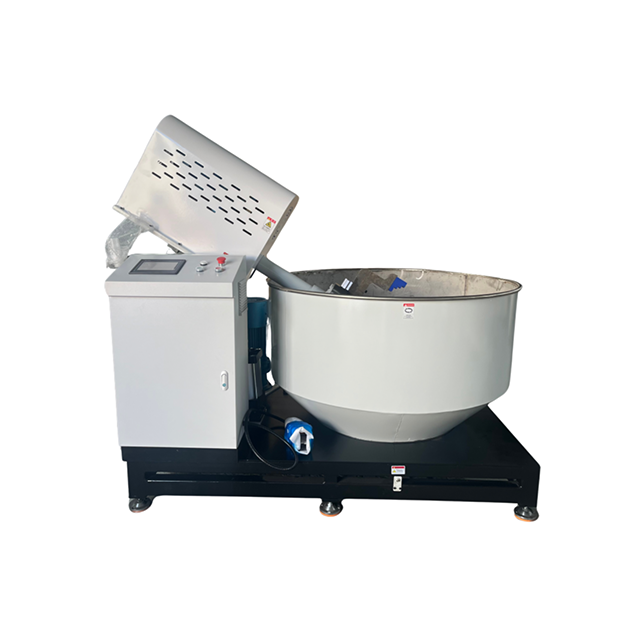
Understanding how a Wheel Polishing Machine works involves grasping its core principles. These machines utilize several polishing processes, including abrasive action, vibration, and rotation. Each method contributes to achieving a smooth, shiny finish on wheels.
Polishing Processes:
1. Abrasive Action: This is the primary method used in polishing. It involves using abrasive materials to wear away imperfections on the wheel's surface. The abrasives can be made from various materials, such as plastic, ceramic, or stainless steel.
2. Vibration: Vibration aids in the polishing process by creating a consistent motion that helps dislodge dirt and oxidation. The vibrations allow the polishing media to move freely, ensuring even coverage across the wheel.
3. Rotation: Some machines incorporate rotation to enhance the polishing effect. Rotating the wheel while applying polish increases contact with the abrasive material, leading to a more uniform finish.
There are various types of Wheel Polishing Machines, each designed for specific applications. The two most common types are vibratory and rotary machines.
Type | Description |
Vibratory | Uses vibration to move polishing media around the wheel, effective for thorough cleaning. |
Rotary | Employs a rotating mechanism to apply polish, ideal for achieving high gloss finishes. |
Both types have their advantages, depending on the desired outcome and the condition of the wheels.
A Wheel Polishing Machine consists of several essential parts that work together to deliver effective polishing results. Understanding these components helps appreciate how the machine operates.
● Motor: The motor powers the machine, driving the polishing processes. A high-performance motor ensures consistent results.
● Polishing Chamber: This is where the wheels are placed for polishing. The design of the chamber allows for optimal movement of the polishing media.
● Control Panel: The control panel allows operators to adjust settings such as speed and time, enabling customization for different wheel types.
Polishing media plays a crucial role in the effectiveness of a Wheel Polishing Machine. Different types of media can be used based on the desired finish.
● Plastic Media: Gentle on surfaces, ideal for delicate finishes.
● Ceramic Media: More aggressive, suitable for heavy oxidation removal.
● Stainless Steel Media: Provides a high shine, often used for final polishing stages.
Huzhou Norden Machinery offers advanced Wheel Polishing Machines that incorporate specific features to enhance performance and efficiency.
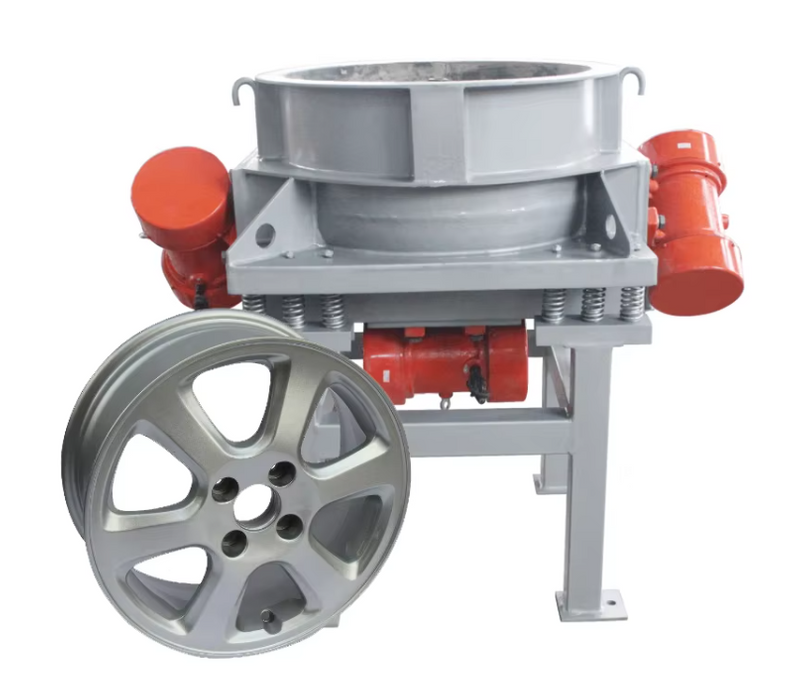
● High-Performance Adjustable Frequency Vibration Motor: This feature allows operators to customize vibration frequency for different polishing tasks, improving versatility.
● Heavy-Duty Support Springs: These springs provide stability during operation, minimizing vibrations and ensuring consistent polishing results.
● Mechanical Fixtures: These fixtures securely hold wheels in place during polishing, preventing movement and ensuring an even finish.
By combining these features, Huzhou Norden’s models stand out in the market, offering reliable and efficient wheel polishing solutions.
When it comes to maintaining and enhancing the appearance of wheels, different types of Wheel Polishing Machines serve unique purposes. Understanding these types can help you choose the right machine for your needs.
How They Operate and Their Advantages
Vibratory Wheel Polishing Machines use a combination of vibration and polishing media to clean and polish wheels. The process involves placing wheels in a chamber filled with abrasive media, which vibrates to create a scrubbing action. This method is not only effective but also efficient, allowing for thorough cleaning in a shorter amount of time.
Ideal Applications and Materials
These machines are versatile and can handle various materials, including:
● Aluminum: Commonly used in car and motorcycle wheels.
● Steel: Often found in truck wheels.
● Alloy Wheels: A popular choice for high-performance vehicles.
Vibratory machines excel in applications where multiple wheels need polishing simultaneously, making them ideal for automotive shops and manufacturers.
Vibratory machines offer several advantages over manual polishing methods:
● Increased Efficiency: They can polish wheels 6 to 10 times faster than manual methods. This speed not only saves time but also increases productivity in busy environments.
● Compatibility with Various Wheel Types: Whether it’s a motorcycle, car, or truck wheel, vibratory machines can accommodate different sizes and styles, making them highly adaptable.
Features and Benefits Specific to Aluminum Alloy Wheels
Automatic Single Wheel Rim Rotary Polishers are designed specifically for aluminum alloy wheels, providing a focused approach to polishing. These machines typically feature a rotating mechanism that applies polishing compounds evenly across the wheel's surface.
Comparison with Manual Polishing Methods
When comparing rotary polishers to manual polishing, the differences are significant:
Feature | Rotary Polishers | Manual Polishing |
Speed | Much faster, consistent results | Time-consuming and inconsistent |
Quality of Finish | High gloss, professional appearance | Varies greatly based on skill |
Labor Intensity | Minimal operator effort required | Requires significant physical effort |
This table highlights how rotary polishers streamline the polishing process while ensuring a high-quality finish.
Rotary polishers are particularly effective for achieving a high gloss and quality finish on aluminum wheels. The design of these machines allows for precise control, ensuring that every inch of the wheel receives the attention it needs.
In automotive settings, these machines are invaluable for detailing shops and manufacturers focusing on high-end vehicles. The result is a stunning shine that enhances the overall appearance of the vehicle, making it stand out on the road.
With these various types of Wheel Polishing Machines, users can select the most suitable option based on their specific needs and the types of wheels they work with. Whether you opt for vibratory machines for efficiency or rotary polishers for a high-gloss finish, each machine plays a crucial role in wheel maintenance.
Investing in a Wheel Polishing Machine brings numerous benefits that can significantly enhance productivity and quality in various applications. From efficiency to environmental advantages, these machines are designed to meet the demands of modern manufacturing and automotive industries.
One of the standout features of Wheel Polishing Machines is their ability to save time and increase efficiency. When comparing machine polishing to manual polishing, the differences are quite striking.
● Time Reduction: A Wheel Polishing Machine can complete tasks in a fraction of the time it would take a person. For example, while manual polishing might take hours for a single wheel, machines can often finish the same job in minutes.
● Productivity Increase: This time-saving translates directly into higher productivity. Businesses can process more wheels in less time, allowing for greater output and quicker turnaround.
● Scalability for Large Production Runs: Machines can easily adapt to larger production runs. Whether polishing one wheel or hundreds, they maintain consistent performance, making them ideal for manufacturers who need to scale operations efficiently.
Achieving a uniform finish is crucial in the automotive and manufacturing sectors. Wheel Polishing Machines excel in this area by ensuring high-quality results across all wheels.
● Achieving Uniform Results: Machines provide consistent pressure and motion, which means every wheel receives the same level of attention. This uniformity is essential for maintaining brand standards and customer satisfaction.
● Reducing Defects: By minimizing human error, these machines help reduce defects. This leads to fewer returns and repairs, ultimately improving overall product quality.
Quality control is vital in production, and Wheel Polishing Machines incorporate several measures to ensure excellence:
Quality Control Measure | Description |
Sample Provision | Samples are polished before mass production starts, ensuring the process meets standards. |
Final Inspection | Each batch undergoes a final inspection before shipment, catching any issues early. |
These measures ensure that only the best products reach customers, enhancing the company's reputation.
Using a Wheel Polishing Machine can lead to substantial cost savings over time.
● Long-Term Savings on Labor Costs: While there is an initial investment in the machine, it significantly reduces the need for manual labor. This shift can lower overall labor costs, freeing up resources for other tasks.
● Reduction in Waste and Material Costs: Machines are precise, meaning less material is wasted during the polishing process. This efficiency contributes to lower operational costs and a more sustainable production model.
In today's eco-conscious market, the environmental impact of manufacturing processes is more important than ever. Wheel Polishing Machines can support green initiatives.
● Eco-Friendly Production Processes: Many modern machines are designed to use less energy and produce less waste. This aligns with sustainability goals and reduces the carbon footprint of manufacturing operations.
● Use of Eco-Friendly Materials: Some polishing compounds and media are now made from sustainable materials, further reducing the environmental impact.
By embracing these benefits, businesses can enhance their operations while also contributing positively to the environment. The advantages of using a Wheel Polishing Machine extend far beyond mere polishing; they encompass efficiency, quality, cost savings, and sustainability.
Wheel Polishing Machines are invaluable in various industries, primarily due to their ability to enhance the appearance and functionality of wheels and other components. Let’s explore the key applications in the automotive sector and beyond.
The automotive industry is the most prominent sector utilizing Wheel Polishing Machines. These machines play a crucial role in both manufacturing and repair shops, ensuring that every wheel meets high standards of quality and aesthetics.
● Use in Manufacturing and Repair Shops: In manufacturing facilities, these machines streamline the production process by polishing wheels efficiently and uniformly. Repair shops also rely on them to restore wheels to their original shine, providing customers with a like-new appearance.
● Restoration of Vintage and Classic Cars: Enthusiasts and restorers of vintage and classic cars depend on Wheel Polishing Machines to achieve a flawless finish. Polishing is essential for these vehicles, as it not only enhances their beauty but also protects the metal from corrosion.
While the automotive sector is a major user, Wheel Polishing Machines have found applications in several other industries as well.
● Applications in Aerospace and Motorcycle Manufacturing: In aerospace, polished components are crucial for both aesthetics and aerodynamics. Similarly, motorcycle manufacturers use these machines to ensure that every part is polished to perfection, which is essential for both performance and appearance.
● Importance in Non-Metallic Material Processing: Beyond metals, these machines are also effective for non-metallic materials. For example, they can polish plastic components used in various applications, enhancing their surface finish and durability.
The benefits of Wheel Polishing Machines extend to several specific industries, each requiring unique polishing solutions:
Industry | Application |
Mechanical | Polishing gears and components for smooth operation. |
Electronics | Enhancing the appearance of casings and connectors. |
Aerospace | Improving the finish of aircraft components for safety and performance. |
Craft Industries | Providing artisans with polished materials for high-quality products. |
These industries highlight the versatility of Wheel Polishing Machines, showcasing their ability to meet diverse needs.
In summary, Wheel Polishing Machines are essential tools across multiple sectors. Their applications in the automotive industry are just the beginning, as they also serve aerospace, motorcycle manufacturing, and even craft industries. By ensuring high-quality finishes on both metallic and non-metallic materials, these machines play a vital role in enhancing product quality and aesthetics.
A: Wheel Polishing Machines are compatible with various materials, including aluminum, stainless steel, and certain plastics, making them versatile for different applications.
A: Consider factors such as the machine's size, type, polishing capabilities, and the specific needs of your projects to select the best option.
A: Regular maintenance includes cleaning, checking for wear, lubricating moving parts, and ensuring all components function properly to extend the machine's lifespan.
A: Operators should wear appropriate safety gear, including goggles and gloves, and follow safety protocols to prevent accidents during operation.
A: Common trade terms include FOB (Free On Board), CFR (Cost and Freight), CIF (Cost, Insurance, and Freight), and EXW (Ex Works), which define shipping responsibilities.
Wheel Polishing Machines are essential tools in various industries. They enhance the appearance and functionality of wheels and components.
Key points include their applications in automotive, aerospace, and craft industries. These machines save time, improve quality, and reduce labor costs.
Investing in a Wheel Polishing Machine can greatly benefit both businesses and personal projects. Consider the advantages they offer for achieving a high-quality finish.


