- Home
- Machine
- Media
- Application
- Service
- About Us
- Blogs
- Contact Us
- All
- Product Name
- Product Keyword
- Product Model
- Product Summary
- Product Description
- Multi Field Search


Views: 0 Author: Site Editor Publish Time: 2026-03-13 Origin: Site
Have you ever wondered how manufacturers achieve perfectly smooth and polished surfaces on thousands of parts without spending hours on manual labor? The answer lies in the power of a Vibratory Polishing Machine.
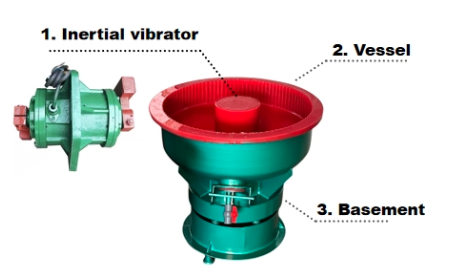
These machines combine vibration and abrasive media to automate the polishing, deburring, and cleaning process, allowing for faster, more efficient production. In this article, we’ll uncover how a Vibratory Polishing Machine works, its essential components, and why it’s indispensable for modern manufacturing. By the end, you’ll understand why this technology is a must-have for optimizing production and ensuring top-quality results.
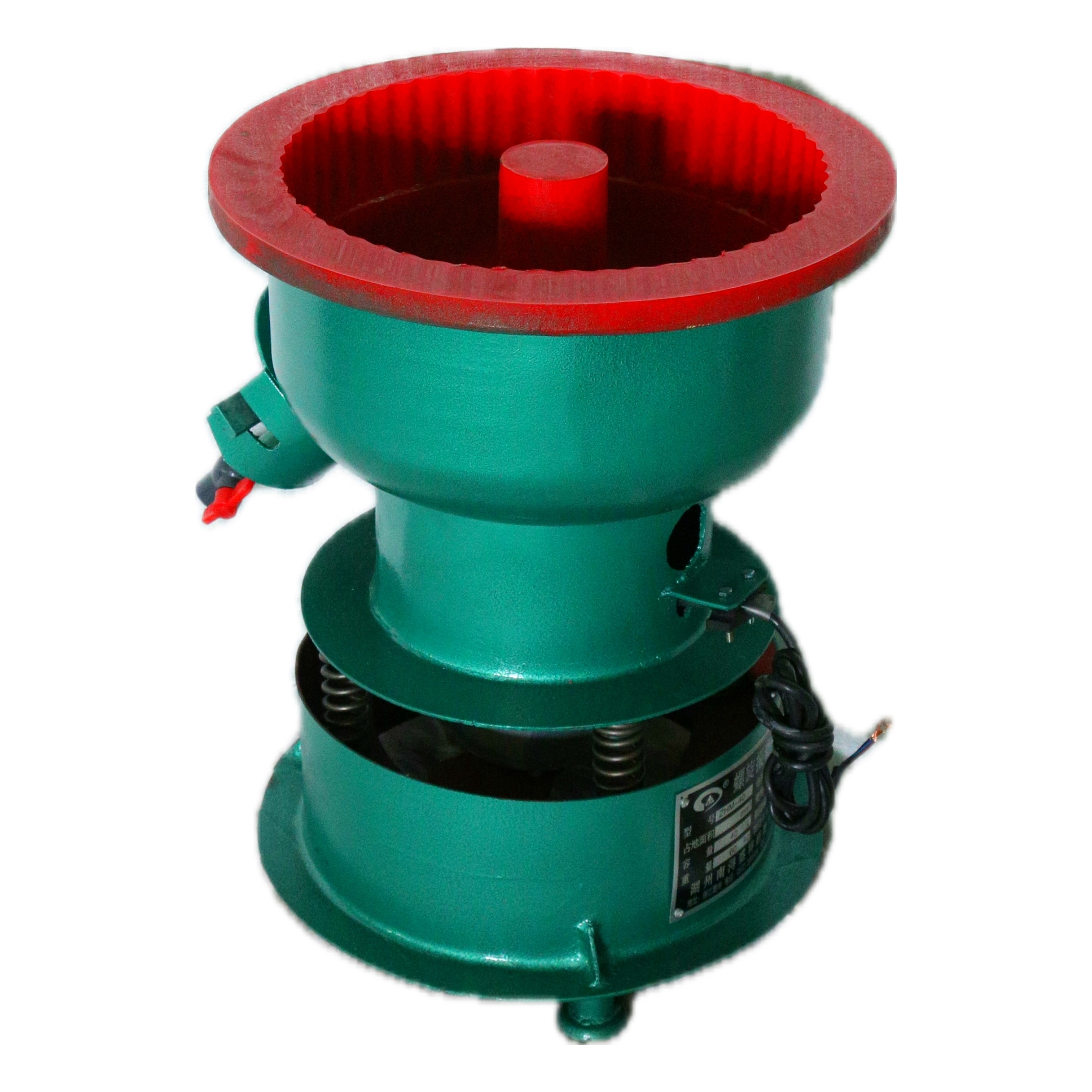
A Vibratory Polishing Machine is an industrial finishing system designed to smooth, polish, clean, and deburr parts. It achieves these results by using mechanical vibration combined with abrasive media, which works together to remove material from the workpieces. The machine typically consists of a container (bowl or tub) that holds both the workpieces and the polishing media. The container is set into vibration by a motor, causing the media to move in a pattern that rubs against the parts, effectively smoothing rough edges and surfaces.
This mass finishing process allows multiple parts to be polished simultaneously, significantly improving production efficiency and consistency when compared to manual finishing. The versatility of these machines makes them suitable for processing a variety of materials such as metals, ceramics, plastics, and even composites.
Surface finishing is crucial in ensuring that parts meet the required standards for aesthetics, performance, and safety. Vibratory polishing machines help remove imperfections that are often present after machining processes. These imperfections may include rough edges, burrs, or surface defects that can cause friction, wear, and even failure in the final product.
The primary goals of surface finishing with a vibratory polishing machine are:
● Deburring: Removing burrs or sharp edges from parts that can affect their performance or safety.
● Smoothing: Ensuring that the surface is smooth and free from imperfections.
● Preparation for Coating or Plating: Polishing the surface to improve adhesion for coatings or plating.
● Enhancing Appearance: Achieving a shiny or matte finish, depending on the requirements of the product.
● Improving Corrosion Resistance: Polishing metal parts to improve their resistance to rust and corrosion.
Manufacturers rely on vibratory polishing to enhance the product’s quality, reduce the need for manual labor, and improve overall efficiency.
Norden’s vibratory polishing machines are designed to tackle a wide range of surface finishing applications. From jewelry polishing to deburring large automotive parts, these machines offer a cost-effective solution that ensures consistent results. Thanks to their precise motion and media design, they provide superior polishing with minimal material loss, which is especially crucial for industries like jewelry and electronics, where fine details matter.
While vibratory polishing machines are widely recognized for their efficiency and effectiveness, it's important to compare them with other traditional polishing methods, such as manual polishing and barrel polishing. Each method has its own strengths and limitations, which are highlighted in the table below:
Finishing Method | Characteristics | Advantages | Limitations |
Manual Polishing | Requires human labor to polish individual parts | Flexible, simple to operate, ideal for small batches | Slow, inconsistent results, labor-intensive |
Barrel Polishing | Rotating drum finishing | Effective for larger batches, relatively simple | Parts may collide, surface wear, inconsistent results |
Vibratory Polishing | Vibration-driven, uses abrasive media | High-efficiency, precise, handles large batches, less labor | Requires machine setup and proper media selection |
Manual polishing involves human intervention and relies on the skill of the operator, making it slow and less consistent. Barrel polishing, while more automated, can result in part collisions that damage delicate components. Vibratory Polishing, on the other hand, offers a controlled environment where parts are polished without risk of collision, producing smooth, consistent finishes with minimal wear on the parts.
The Norden Vibratory Polishing Machines are particularly effective because they combine the advantages of automated vibration polishing while minimizing the limitations of other methods.
One of the key advantages of vibratory polishing machines is their versatility in terms of the materials they can process. From metals to plastics, ceramics, and composites, a vibratory polishing machine can handle a wide range of materials, each requiring specific settings and media types for optimal results.
Material Type | Suitable Polishing Media | Applications |
Metals (steel, aluminum, titanium) | Ceramic media, Steel media | Automotive parts, Aerospace components, Fasteners |
Ceramics | Ceramic media, Plastic media | Electronics, Decorative tiles, Industrial tools |
Plastics | Plastic media, Organic media | Consumer goods, Medical devices, Automotive parts |
Composites | Ceramic media, Plastic media | Aerospace, Sports equipment, Electronics |
Norden Vibratory Polishing Machines are designed to be highly adaptable. Whether polishing delicate jewelry pieces or large automotive components, Norden can tailor the machine settings to suit the specific requirements of the material. Additionally, the use of customized media ensures the best results depending on whether the material is soft, hard, delicate, or abrasive.
The operation of a vibratory polishing machine is based on a simple yet effective principle of mechanical vibration. A motor with an eccentric weight is used to generate vibrations in the container. As the container vibrates, the abrasive media moves around, rubbing against the workpieces. This constant interaction removes rough material from the surface of the parts, leaving them smooth and polished.
The container’s vibration can be fine-tuned, allowing manufacturers to adjust the polishing process to meet specific surface finishing requirements. This controlled vibration also ensures that parts are polished uniformly, reducing inconsistencies that may arise in manual or barrel polishing.
In a Vibratory Polishing Machine, the motion created by the vibrating container is responsible for the polishing action. The interaction between the parts and the abrasive media helps achieve the desired surface finish. This oscillating movement ensures that each part receives uniform exposure to the polishing media, leading to a consistent finish across all workpieces in the batch.
This mechanism also allows the parts to be polished without the risk of direct collision, which often occurs in barrel polishing machines, thus preventing damage to delicate components.
Abrasive media plays a crucial role in achieving the desired surface finish. These materials are specifically designed to wear away the rough edges and imperfections of parts while leaving behind a smooth, polished surface. The type of media used depends on the material being polished and the level of finish required.
Media Type | Material Characteristics | Ideal Applications |
Ceramic | Hard, durable, good for aggressive polishing | Steel, titanium, metal parts |
Plastic | Softer, gentle on delicate surfaces | Jewelry, soft metals, plastics |
Steel | High durability, aggressive polishing | Heavy-duty parts, industrial use |
Organic | Soft, gentle polishing | Fine metal work, jewelry |
The right media selection ensures that the polishing process is effective while preserving the quality of the parts.
There are two primary methods in vibratory polishing: wet polishing and dry polishing. Both methods have their advantages depending on the application.
● Involves adding water or other finishing compounds to the media.
● Helps cool the parts, reduce friction, and remove debris from the workpieces.
● Ideal for applications requiring a high-gloss finish or cleaning during polishing.
● Does not require any liquids, using only the media to polish the workpieces.
● Suitable for delicate parts that could be damaged by water or other compounds.
● Common in final polishing stages where minimal material removal is needed.
Wet polishing tends to be more efficient for most applications, as it helps with cooling, cleaning, and achieving a higher finish quality. Norden Vibratory Polishing Machines are designed to be versatile and can handle both wet and dry processes effectively.
The performance of a Vibratory Polishing Machine is determined by several key machine parameters. These include speed, amplitude, and frequency, all of which can be adjusted to suit the material and desired finish.
● Refers to how fast the container vibrates.
● Higher speeds lead to quicker material removal, while slower speeds result in finer polishing.
● The extent of the vibration.
● Larger amplitudes result in more aggressive polishing, while smaller amplitudes offer gentler finishes.
● The rate at which vibrations occur.
● Varying frequency can improve polishing efficiency and enhance the quality of the finish.
By adjusting these parameters, operators can fine-tune the machine to meet the specific needs of different materials and production volumes.
A Vibratory Polishing Machine plays a vital role in modern manufacturing, offering benefits like efficiency, consistency, and versatility. These machines use vibration and abrasive media to polish, deburr, and clean a wide range of materials. They improve surface quality, reduce processing time, and lower labor costs compared to traditional methods.
Selecting the right vibratory polishing machine depends on the material, desired finish, and production volume. With the correct setup, these machines can optimize your production process for consistent, high-quality results. Norden Vibratory Polishing Machines offer OEM and ODM services, ensuring the perfect machine for your specific needs.
A: A Vibratory Polishing Machine is an industrial tool that uses vibration and abrasive media to smooth, polish, and deburr parts. It works by vibrating a container with workpieces and media, creating a polishing effect.
A: The machine generates vibration, causing abrasive media to rub against the parts, removing surface imperfections. This process results in smooth, polished finishes on materials like metal, ceramics, and plastics.
A: A Vibratory Polishing Machine automates the polishing process, significantly reducing time and labor. It ensures consistent, high-quality results, making it ideal for high-volume production.
A: Vibratory Polishing Machines are versatile and can process materials like metals, plastics, ceramics, and composites, offering tailored finishes for each material type.
A: Using a Vibratory Polishing Machine enhances efficiency, consistency, and cost-effectiveness. It reduces labor, ensures uniform finishes, and speeds up mass production processes.


