- Home
- Machine
- Media
- Application
- Service
- About Us
- Blogs
- Contact Us
- All
- Product Name
- Product Keyword
- Product Model
- Product Summary
- Product Description
- Multi Field Search


Views: 0 Author: Site Editor Publish Time: 2025-11-21 Origin: Site
Have you ever wondered how industries efficiently separate materials? The answer often lies in a Linear Vibrating Screen Machine. These machines play a crucial role in optimizing performance by ensuring the right materials are used.
In this article, we will explore which materials are best suited for linear vibrating screens and why compatibility matters.
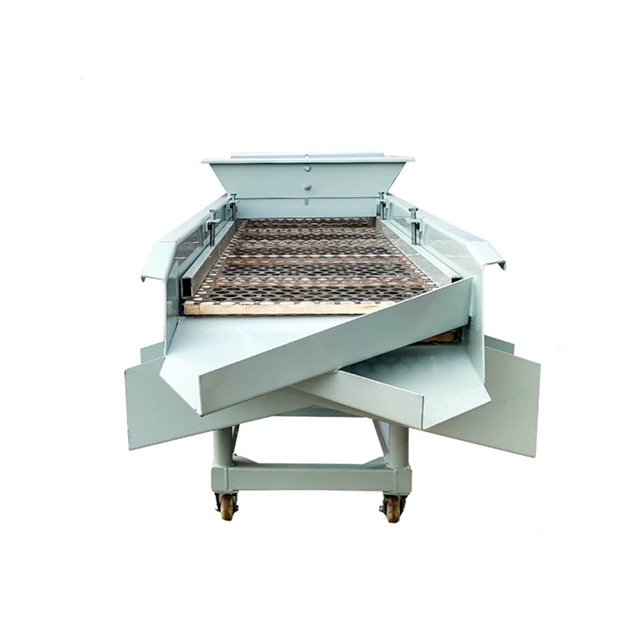
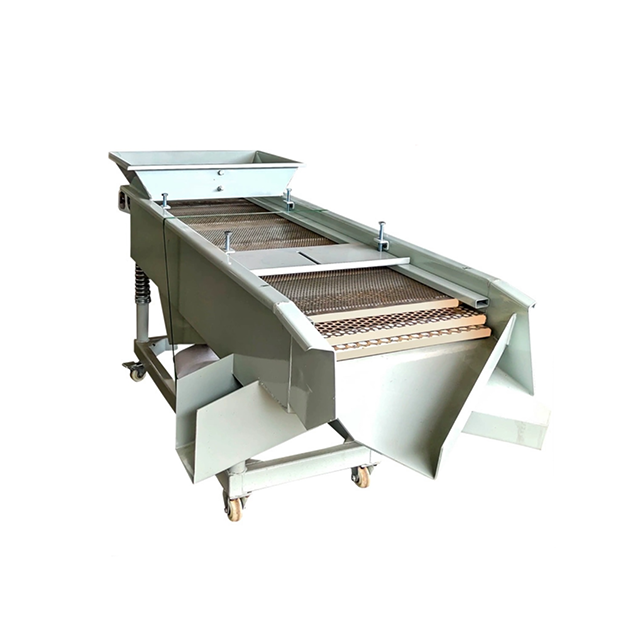
A Linear Vibrating Screen Machine is an essential tool in various industries, designed to separate materials based on size and shape. It operates on a simple principle: materials are fed onto a screen surface that vibrates in a linear motion. This motion allows particles to move across the screen, facilitating effective separation.
Key Components and Their Functions:
● Screen Deck: The surface where materials are placed. It can be made of different mesh sizes to accommodate various materials.
● Vibration Motor: This component generates the vibrating motion, ensuring consistent material movement.
● Support Frame: Provides stability and support for the entire machine, allowing it to withstand vibrations.
● Feed Hopper: The entry point for materials, ensuring a smooth flow onto the screen.
Component | Function |
Screen Deck | Separates materials based on size |
Vibration Motor | Creates the necessary vibration |
Support Frame | Stabilizes the machine during operation |
Feed Hopper | Guides materials onto the screen |
Using a Linear Vibrating Screen Machine comes with numerous benefits. One of the most significant advantages is its high efficiency in material separation. The linear vibration ensures that materials are evenly distributed across the screen, maximizing contact and separation.
Another key feature is the customizable settings. Operators can adjust parameters like vibration frequency and amplitude, tailoring the machine to suit different material types. This flexibility makes it suitable for various applications, from mining to food processing.
Moreover, these machines are designed with environmentally friendly manufacturing processes in mind. They often use recyclable materials, reducing waste and promoting sustainability in production.
In summary, the Linear Vibrating Screen Machine is a versatile and efficient solution for material separation. Its adaptability and eco-friendly design make it a preferred choice across multiple industries.
Linear Vibrating Screen Machines can handle a variety of materials, each requiring specific handling techniques. These materials can be classified into four main forms: powders, granules, lumps, and liquids. Understanding these categories helps in selecting the right machine settings for optimal performance.
Powder materials are commonly processed using Linear Vibrating Screen Machines. Examples include resin powder, pigment powder, and starch. These materials typically have characteristics like being non-sticky and possessing low moisture content, making them ideal for screening.
Screening Precision and Adaptability:
● Mesh Size Range: 2-500 mesh, allowing for precise separation.
● Particle Size Control: Maintaining uniform particle size is crucial for effective screening. This ensures that the desired product is obtained without contamination.
Material Type | Common Examples | Characteristics |
Powder | Resin, pigment, starch | Non-sticky, low moisture content |
Granular materials, such as plastic pellets, metal alloy particles, and agricultural seeds, also fit well with Linear Vibrating Screen Machines. These materials often come in irregular shapes and sizes, which requires careful handling to avoid blockages.
Importance of Material Hygiene:
In industries like food processing and pharmaceuticals, maintaining hygiene is vital. The materials used must comply with safety standards to ensure consumer safety. Linear vibrating screens can be tailored for food-grade applications, ensuring that all materials meet strict hygiene regulations.
Example | Application | Compliance Need |
Plastic pellets | Manufacturing | Food-grade standards |
Agricultural seeds | Farming | Safety and hygiene |
Lumps and chunky materials, such as small ore blocks and ceramic chunks, present unique challenges. Generally, these materials should be sized at or below 10mm for optimal feeding into the machine.
Benefits of Linear Vibration:
The linear vibration effectively grades and separates different specifications of lump materials. This capability is essential in industries where precise separation of materials is required, such as mining or construction.
Material Type | Size Limitations | Benefits |
Lumps | Usually ≤10mm | Effective grading and separation |
Linear Vibrating Screen Machines can also handle slurry and liquid materials, such as paint slurries, juice, and wastewater. However, processing these materials often requires additional components for dehydration or liquid separation.
Solid-Liquid Separation Capabilities:
These machines excel in solid-liquid separation, making them suitable for various applications. When dealing with viscous materials, it’s essential to consider how they will flow through the system. Proper adjustments ensure efficient processing without clogging.
Material Type | Examples | Handling Considerations |
Slurry | Paint, juice, wastewater | Viscosity management |
In the metal processing and metallurgy industries, Linear Vibrating Screen Machines play a crucial role. These machines handle various materials, including metal powders and alloys, which are essential for manufacturing high-quality products. During the pre-treatment phase, these screens help in grading the materials, ensuring that only the desired particle sizes proceed to the next production stage.
Preventing Contamination:
One of the most critical aspects of processing metal materials is preventing contamination. Any foreign particles can compromise the integrity of the final product. Therefore, maintaining a clean screening environment is vital. This often involves using specialized screens designed to minimize contamination risks.
Material Type | Common Examples | Key Considerations |
Metal Powders | Aluminum, titanium | Preventing contamination |
Alloys | Steel, brass | Grading for quality assurance |
Linear Vibrating Screen Machines are widely used in the food and agricultural sectors. They efficiently screen materials such as sugar, salt, and various grains. Compliance with food safety standards is paramount in these industries, as it ensures consumer safety and product quality.
Stainless Steel Models:
To avoid contamination, it’s essential to use stainless steel models in food processing applications. Stainless steel is not only durable but also easy to clean, which helps maintain hygiene during production. This attention to detail supports compliance with industry regulations, ensuring that the products are safe for consumption.
Material Type | Examples | Compliance Requirements |
Sugar | Granulated, powdered | Food safety standards |
Grains | Wheat, rice | Use of stainless steel |
In the chemical industry, Linear Vibrating Screen Machines are utilized for screening materials like resins and pigments. The need for customized screening solutions is significant here, as different materials require specific handling and processing techniques.
Adaptability to Corrosive Materials:
These machines can be designed to withstand corrosive materials, ensuring longevity and reliability. Specialized screen designs allow for efficient processing without compromising the integrity of the materials being screened.
Material Type | Common Examples | Adaptation Features |
Resins | Epoxy, polyester | Customizable screen designs |
Pigments | Colorants, dyes | Corrosion-resistant materials |
The pharmaceutical industry has unique screening needs, particularly for herbal and medicinal powders. Here, avoiding cross-contamination is critical to maintain the purity of products.
Hygiene Requirements:
To meet these stringent requirements, Linear Vibrating Screen Machines must often be made of stainless steel and feature closed designs. These features help ensure that no contaminants enter the screening process, safeguarding the quality of pharmaceutical products.
Material Type | Examples | Key Hygiene Features |
Herbal Powders | Ginseng, turmeric | Stainless steel construction |
Medicinal Powders | Aspirin, antibiotics | Closed design for contamination prevention |
Linear Vibrating Screen Machines are also instrumental in environmental and waste management applications. They are used for solid waste separation, effectively sorting recyclable materials from waste streams.
Sustainability Focus:
By recovering reusable materials from industrial wastewater, these machines contribute to sustainability efforts in manufacturing processes. This not only reduces waste but also promotes a circular economy, aligning with modern environmental standards.
Application | Examples | Sustainability Benefits |
Solid Waste Separation | Plastics, metals | Recovery of reusable materials |
Industrial Waste | Wastewater treatment | Reducing environmental impact |
When selecting materials for a Linear Vibrating Screen Machine, understanding their characteristics is vital. Key factors include moisture content, particle size, and shape. For instance, materials with high moisture content may clump together, hindering effective screening. Ideally, the moisture level should be low enough to allow free flow and separation during the screening process.
Particle Size and Shape:
The particle size and shape significantly influence how materials interact with the screen. Irregularly shaped particles can cause blockages, while uniform sizes enhance the efficiency of the screening process. Non-adhesive properties are also essential; materials that stick together can disrupt the flow and reduce the machine's effectiveness.
Characteristic | Ideal Conditions |
Moisture Content | Low moisture for optimal flow |
Particle Size | Uniform size for effective screening |
Shape | Regular shapes to prevent blockages |
Choosing the right Linear Vibrating Screen Machine involves matching the equipment specifications to the material type. The design of the screen must align with the characteristics of the materials being processed. For example, heavier materials may require a more robust screen design to handle the additional weight and stress.
Customization Options:
Different industries often have unique needs, which is where customization comes into play. Manufacturers offer various options, such as different mesh sizes and screen materials, to cater to specific requirements. Additionally, vibration parameters, including frequency and amplitude, should be adjusted to match the material characteristics. This ensures optimal performance and efficiency during the screening process.
Specification | Importance | Customization Options |
Screen Design | Matches material type | Mesh size, material type |
Vibration Parameters | Tailors performance to materials | Frequency, amplitude adjustments |
Before implementing materials on a full scale, conducting thorough testing is essential. Material testing helps identify potential issues that could arise during the screening process. Sample screening allows for adjustments based on the results, ensuring that the selected materials perform as expected.
Support for Sample Confirmation:
Having a robust support system for sample confirmation is crucial. This includes final inspections before mass production to verify that the materials and machine settings align perfectly. By validating the process through careful testing, manufacturers can significantly reduce the risk of complications during large-scale operations.
Testing Phase | Purpose | Key Activities |
Sample Screening | Identify issues before full-scale | Adjustments based on results |
Final Inspection | Confirm readiness for production | Validate material and settings |
Selecting the right materials for Linear Vibrating Screen Machines is crucial for optimal performance. Proper material choice enhances efficiency and prevents issues during processing.
For customized solutions, consulting with experts can provide valuable insights tailored to specific needs.
If you need tailored advice and solutions, contact Norden Machinery today.
A: The maximum size depends on the screen mesh and design but typically ranges from 0.5 mm to 100 mm.
A: Yes, but sticky materials may require special screen designs to prevent clogging.
A: Assess characteristics like moisture content, particle size, and shape to determine suitability.
A: Regular inspections, cleaning, and lubrication of components are essential for optimal performance.
A: Yes, ensure proper training, use safety guards, and follow operational guidelines to prevent accidents.
A: Delivery terms and payment options vary by supplier; consult directly for specific details.


